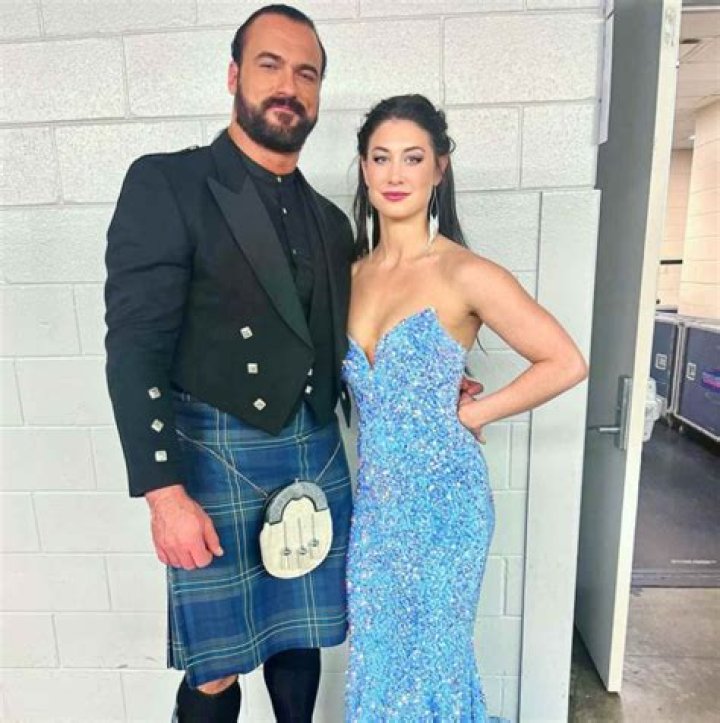
Erica Escarcega Age refers to the chronological age of a notable person named Erica Escarcega. It is typically expressed in years and can be used to determine an individual's eligibility for certain milestones, events, or legal responsibilities based on age restrictions.
Knowing a person's age can provide context for their life experiences, career achievements, and social interactions. Age serves as a valuable reference point for understanding an individual's journey through different stages of life and can be a factor in assessing their maturity, wisdom, or eligibility for specific roles or opportunities.
The concept of age holds cultural and societal significance, influencing factors such as social norms, legal rights, and expectations. It is important to consider age within its social and cultural contexts and to avoid making assumptions or judgments based solely on chronological age.
Erica Escarcega Age
Understanding Erica Escarcega's age involves considering various key aspects that shed light on her life experiences and societal context. These aspects provide a comprehensive view of the significance of age in relation to an individual's journey and the broader social implications.
- Chronological Age
- Maturity and Experience
- Legal Responsibilities
- Social Norms
- Cultural Expectations
- Life Stage Transitions
- Health and Wellness
- Career Opportunities
- Personal Growth
These aspects are interconnected and influence an individual's perception of themselves and their place in society. Age serves as a marker of accomplishments, challenges, and aspirations, shaping an individual's life narrative and the way they navigate the world.
Chronological Age
Chronological age refers to the number of years a person has lived since their date of birth. It is a fundamental aspect of "erica escarcega age" as it provides a basis for understanding her life stage, experiences, and societal expectations. Chronological age influences various aspects of an individual's life, including legal rights, social norms, and opportunities.
For instance, in many countries, chronological age determines when an individual is eligible to vote, obtain a driver's license, or consume alcohol legally. It also affects access to certain educational programs, employment opportunities, and healthcare services. Understanding chronological age is crucial for navigating age-related milestones and responsibilities throughout life.
Moreover, chronological age can provide insights into an individual's maturity, life experiences, and health status. As people age, they typically accumulate knowledge, skills, and wisdom, which can contribute to their decision-making and problem-solving abilities. However, chronological age does not always directly correlate with maturity or health, as individual experiences and circumstances can vary greatly.
Maturity and Experience
Maturity and experience are closely intertwined with "erica escarcega age". As individuals progress through different life stages, they accumulate experiences that contribute to their personal growth and development. These experiences shape their perspectives, decision-making abilities, and overall maturity.
Maturity encompasses emotional, intellectual, and social development. It involves the ability to handle challenges, regulate emotions, and make responsible decisions. Experience, on the other hand, refers to the practical knowledge and skills acquired through real-life situations. Together, maturity and experience play a crucial role in shaping an individual's overall competence and well-being.
In the context of "erica escarcega age", understanding the connection between maturity and experience is essential for assessing her capabilities, potential, and contributions to society. It can provide insights into her ability to navigate complex situations, solve problems, and interact effectively with others. By considering both her chronological age and her maturity and experience, a more comprehensive evaluation of her individual qualities and potential can be achieved.
Legal Responsibilities
The connection between "Legal Responsibilities" and "erica escarcega age" lies in the concept of age of majority, which refers to the age at which a person is considered legally competent and responsible for their actions. Age of majority varies across jurisdictions, but it typically falls between 18 and 21 years old.
Once an individual reaches the age of majority, they are expected to fulfill certain legal responsibilities, such as obeying the law, paying taxes, and entering into legally binding contracts. They may also be eligible for certain rights and privileges, such as the right to vote and the right to own property. Understanding the legal responsibilities associated with "erica escarcega age" is crucial for ensuring that individuals are held accountable for their actions and are aware of their legal obligations and rights.
For example, if Erica Escarcega is 19 years old and living in a jurisdiction where the age of majority is 18, she is legally responsible for her actions and can be held accountable for any crimes or offenses she commits. She is also eligible to vote and enter into legally binding contracts.
Social Norms
Social norms play a significant role in shaping the experiences and expectations surrounding "erica escarcega age". Social norms refer to the unwritten rules and expectations that govern behavior within a society or group. These norms influence an individual's behavior, choices, and interactions with others, thereby impacting their overall life trajectory.
For instance, in many cultures, certain milestones and expectations are associated with specific age groups. These norms can influence the age at which an individual is expected to graduate from school, start a career, get married, or have children. Social norms can also shape how individuals are perceived and treated by others, creating both opportunities and challenges.
Understanding the connection between "Social Norms" and "erica escarcega age" is crucial for navigating the social landscape and making informed decisions. By being aware of the social expectations and norms associated with different age groups, individuals can better understand their place in society and make choices that align with their values and aspirations.
Cultural Expectations
Cultural expectations play a significant role in shaping the experiences and opportunities surrounding "erica escarcega age". Cultural expectations refer to the beliefs, values, and norms that are shared by a particular cultural group and influence the behavior, choices, and interactions of its members.
- Age-Based Roles and Responsibilities
Different cultures assign specific roles and responsibilities to individuals based on their age. For example, in some cultures, younger individuals are expected to show respect and obedience to their elders, while older individuals are expected to provide guidance and support to the younger generation.
- Educational and Career Milestones
Cultural expectations can influence the age at which individuals are expected to complete certain educational and career milestones. For instance, in some cultures, there is a strong emphasis on completing higher education before starting a career, while in other cultures, individuals may be encouraged to enter the workforce at a younger age.
- Marriage and Family
Cultural expectations can also shape the age at which individuals are expected to get married and start a family. In some cultures, early marriage is encouraged, while in other cultures, individuals may be expected to wait until they are older and have established their careers before settling down.
- Retirement and Aging
Cultural expectations can influence the age at which individuals are expected to retire and the roles they are expected to play during retirement. In some cultures, retirement is seen as a time for rest and relaxation, while in other cultures, older adults are expected to continue to be active and contribute to their communities.
Understanding the connection between "Cultural Expectations" and "erica escarcega age" is crucial for navigating the social landscape and making informed decisions. By being aware of the cultural expectations associated with different age groups, individuals can better understand their place in society and make choices that align with their values and aspirations.
Life Stage Transitions
Life stage transitions are significant milestones in an individual's life, marking the passage from one stage to another. These transitions are often associated with chronological age and are accompanied by physical, cognitive, and emotional changes. Understanding the connection between "Life Stage Transitions" and "erica escarcega age" offers valuable insights into the developmental journey of individuals.
As individuals progress through different life stages, they encounter unique challenges and opportunities. For instance, the transition from childhood to adolescence is characterized by rapid physical growth, hormonal changes, and the development of new cognitive abilities. This transition often brings about a heightened sense of independence and autonomy, as individuals begin to explore their identity and establish their place in the world.
The transition to adulthood typically involves completing formal education, entering the workforce, and establishing personal relationships. This stage is often associated with increased responsibility and decision-making, as individuals navigate the complexities of adult life. Middle age may bring about a reassessment of priorities and values, as individuals balance career, family, and personal fulfillment. Later life transitions, such as retirement and old age, involve adjusting to new roles and identities, while seeking purpose and meaning in the later years.
Understanding the connection between "Life Stage Transitions" and "erica escarcega age" can provide valuable insights into an individual's developmental trajectory, challenges, and potential. It can also inform educational, social, and healthcare policies and services, ensuring that individuals are supported and equipped to navigate the transitions they encounter throughout their lives.
Health and Wellness
The connection between "Health and Wellness" and "erica escarcega age" is multifaceted, encompassing the physical, mental, and social well-being of individuals as they progress through different life stages. Understanding this connection is crucial for promoting healthy aging and ensuring that individuals have the resources and support they need to live long, fulfilling lives.
As individuals age, their bodies undergo various changes that can affect their overall health and wellness. These changes may include a decline in physical strength and endurance, an increased risk of chronic diseases such as heart disease and diabetes, and changes in cognitive function. Additionally, older adults may experience social isolation, loneliness, and decreased mobility, which can further impact their well-being.
Maintaining good health and wellness as we age requires a holistic approach that addresses both physical and mental health. Regular exercise, a balanced diet, and adequate sleep are essential for maintaining physical well-being. Engaging in mentally stimulating activities, such as reading, puzzles, or learning new skills, can help keep the mind sharp and prevent cognitive decline. Social engagement and meaningful relationships contribute to emotional well-being and reduce the risk of loneliness and isolation.
Understanding the connection between "Health and Wellness" and "erica escarcega age" can help individuals make informed choices and take proactive steps to preserve their health and well-being as they age. By adopting healthy habits, seeking preventive care, and maintaining an active and engaged lifestyle, individuals can optimize their healthspan and improve their quality of life in their later years.
Career Opportunities
The connection between "Career Opportunities" and "erica escarcega age" lies in the evolving nature of the job market and the changing needs of employers. As individuals progress through different life stages, their career goals, priorities, and circumstances may shift, influencing the types of career opportunities they pursue and the paths they take.
In the early stages of their careers, younger individuals may prioritize opportunities for growth, learning, and skill development. They may be more willing to take on entry-level positions or internships to gain experience and build their resumes. As they gain experience and establish themselves in their fields, they may seek out more challenging roles with greater responsibility and leadership opportunities.
Mid-career professionals may focus on career advancement and specialization. They may seek out opportunities to develop their expertise in particular areas or industries and to take on leadership positions. They may also consider pursuing further education or professional development to enhance their skills and knowledge.
In later career stages, individuals may prioritize work-life balance and flexibility. They may seek out opportunities that offer flexible work arrangements, reduced hours, or the ability to work from home. They may also consider starting their own businesses or pursuing entrepreneurial ventures.
Understanding the connection between "Career Opportunities" and "erica escarcega age" can help individuals make informed decisions about their career paths and navigate the job market effectively. It can also inform educational and workforce development programs, ensuring that individuals are equipped with the skills and knowledge they need to succeed in the changing world of work.
Personal Growth
The connection between "Personal Growth" and "erica escarcega age" is a dynamic and multifaceted one. Personal growth encompasses the ongoing development of an individual's knowledge, skills, abilities, and character throughout their lifetime. As individuals progress through different life stages, they encounter unique opportunities and challenges that contribute to their personal growth.
In early life, personal growth is often focused on acquiring knowledge and skills through formal education, extracurricular activities, and social interactions. As individuals enter adulthood, they may prioritize developing their careers, building relationships, and establishing their independence. Midlife often brings a reassessment of priorities and values, leading to a focus on personal fulfillment and giving back to the community. In later life, personal growth may involve adjusting to retirement, pursuing new hobbies, and finding new ways to stay engaged and active.
Understanding the connection between "Personal Growth" and "erica escarcega age" can help individuals make the most of each life stage and achieve their full potential. By embracing opportunities for learning, growth, and self-improvement, individuals can navigate the challenges of aging and live long, fulfilling lives.
Frequently Asked Questions
This section provides answers to common questions and misconceptions about "erica escarcega age".
Question 1: How old is Erica Escarcega?
The exact age of Erica Escarcega is not publicly available information.
Question 2: What is the significance of age in relation to Erica Escarcega?
The age of Erica Escarcega is relevant to discussions about her life stage, career achievements, and social experiences.
Question 3: How can we determine Erica Escarcega's age without knowing her exact birthdate?
Without access to her birthdate, it is not possible to determine her exact age. However, public records, interviews, or other sources may provide clues or estimates.
Question 4: Why is it important to consider age when discussing Erica Escarcega?
Age is a factor that can influence an individual's experiences, opportunities, and societal perceptions.
Question 5: How does age intersect with other aspects of Erica Escarcega's identity?
Age intersects with factors such as gender, ethnicity, and socioeconomic status, shaping her life experiences and social interactions.
Question 6: What are the potential implications of ageism in relation to Erica Escarcega?
Ageism can lead to biases, stereotypes, and discrimination based on age, potentially affecting Erica Escarcega's opportunities and treatment.
In conclusion, the age of Erica Escarcega is a relevant consideration when examining her life and career, but it is important to avoid making assumptions or judgments based solely on chronological age.
Transition to the next article section:
The following section will explore Erica Escarcega's career and accomplishments in greater depth.
Tips Related to "erica escarcega age"
Understanding the significance of age in relation to Erica Escarcega can provide valuable insights and foster a more comprehensive understanding of her experiences and contributions.
Tip 1: Consider the Context
When discussing Erica Escarcega's age, it is important to consider the social, cultural, and historical context in which she lived and worked. Age-related norms and expectations can vary across cultures and time periods.
Tip 2: Avoid Stereotypes
Resist making assumptions or judgments about Erica Escarcega based solely on her age. Avoid perpetuating age-based stereotypes or biases.
Tip 3: Focus on Accomplishments
When assessing Erica Escarcega's career and contributions, focus on her accomplishments, skills, and the impact of her work, rather than solely on her age.
Tip 4: Be Respectful
Always approach discussions about Erica Escarcega's age with respect and sensitivity. Avoid using language that could be perceived as patronizing or dismissive.
Tip 5: Consider the Intersectionality of Age
Recognize that age intersects with other aspects of Erica Escarcega's identity, such as gender, race, and socioeconomic status, shaping her unique experiences and perspectives.
Summary: By considering these tips, we can engage in more informed and nuanced discussions about Erica Escarcega's age and its implications for her life and career.
Transition to the article's conclusion:
In conclusion, understanding the significance of "erica escarcega age" requires a multifaceted approach that considers the context, avoids stereotypes, focuses on accomplishments, maintains respect, and acknowledges the intersectionality of age.
Conclusion
Throughout this exploration of "erica escarcega age," we have examined the multifaceted significance of age in relation to her life and career. By considering the social, cultural, and historical context, we have gained a deeper understanding of the norms and expectations surrounding age.
It is crucial to resist perpetuating age-based stereotypes and biases, and instead focus on the accomplishments and contributions of individuals. Respectful and informed discussions about age can foster a more inclusive and equitable society. Furthermore, recognizing the intersectionality of age with other aspects of identity allows us to appreciate the unique experiences and perspectives of individuals.
Unveiling Bill Burr's Madison Masterpiece: A Comedy Odyssey
Uncover The Secrets Of Self-Defense With Cathbin Elizabeth Ayoob
Unlock The Secrets Of Joy Corrigan's Revolutionary Diet