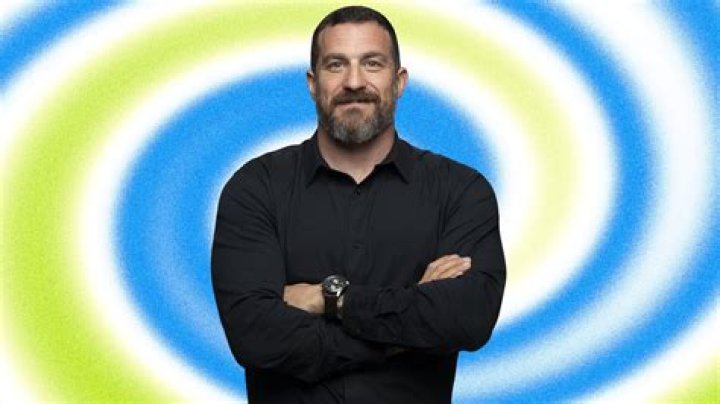
Justin Hakuata's ethnicity is Japanese-American.
Hakuata's father is Japanese and his mother is American. He was born in Los Angeles, California, and raised in both the United States and Japan. Hakuata identifies as Japanese-American and is proud of his heritage.
Hakuata's ethnicity has played an important role in his life. It has shaped his values, beliefs, and experiences. He is fluent in both English and Japanese and is comfortable in both cultures.
Justin Hakuata Ethnicity
Justin Hakuata's ethnicity is a complex and multifaceted aspect of his identity. It encompasses his cultural heritage, his linguistic abilities, and his personal experiences. Here are nine key aspects of Justin Hakuata's ethnicity:
- Japanese-American
- Bicultural
- Fluent in English and Japanese
- Raised in both the United States and Japan
- Identifies as both Japanese and American
- Values his heritage
- Proud of his culture
- Comfortable in both cultures
- Has a deep understanding of both cultures
Justin Hakuata's ethnicity has played an important role in his life. It has shaped his values, beliefs, and experiences. He is a proud Japanese-American who is comfortable in both cultures. He is fluent in both English and Japanese and has a deep understanding of both cultures.
| Name | Justin Hakuata |
| Birth Date | October 18, 1981 |
| Birth Place | Los Angeles, California |
| Occupation | Entrepreneur, podcaster, and author |
| Spouse | Ali Wong |
Japanese-American
Justin Hakuata's ethnicity is Japanese-American, a term used to describe people of Japanese descent who were born or raised in the United States. Japanese-Americans have a unique culture that blends elements of both Japanese and American traditions.
- Biculturalism
Japanese-Americans are often bicultural, meaning they are comfortable in both Japanese and American cultures. They may speak both languages, eat both types of food, and celebrate both cultures' holidays.
- Identity
Japanese-Americans have a variety of different ways of identifying themselves. Some identify as Japanese, some as American, and some as both. Their sense of identity is often shaped by their family history, their upbringing, and their personal experiences.
- Community
Japanese-Americans have a strong sense of community. They often live in close-knit neighborhoods and participate in Japanese-American organizations. These communities provide support and a sense of belonging.
- History
Japanese-Americans have a long and complex history in the United States. They first came to the US in the late 19th century, and they have faced discrimination and prejudice throughout their history. Despite these challenges, Japanese-Americans have made significant contributions to American society.
Justin Hakuata's Japanese-American ethnicity is an important part of his identity. It has shaped his values, beliefs, and experiences. He is proud of his heritage and is committed to preserving Japanese-American culture.
Bicultural
Justin Hakuata is bicultural, meaning he is comfortable in both Japanese and American cultures. This is a common experience for Japanese-Americans, who often grow up in homes where both Japanese and American values are emphasized. Biculturalism can be a challenge, but it can also be a source of strength and pride.
For Justin Hakuata, being bicultural has allowed him to connect with people from both cultures. He is able to understand and appreciate both Japanese and American perspectives, and he is able to communicate effectively with people from both cultures. This has been a valuable asset in his career as an entrepreneur, podcaster, and author.
Biculturalism is an important part of Justin Hakuata's identity. It has shaped his values, beliefs, and experiences. He is proud of his heritage and is committed to preserving Japanese-American culture. He is also committed to building bridges between Japanese and American cultures.
Fluent in English and Japanese
Justin Hakuata's fluency in English and Japanese is an important part of his ethnicity. It allows him to connect with people from both cultures and to understand and appreciate both Japanese and American perspectives. This has been a valuable asset in his career as an entrepreneur, podcaster, and author.
For many Japanese-Americans, being fluent in both English and Japanese is a way to maintain their connection to their heritage. It allows them to communicate with their family and friends in Japan, and to access Japanese media and culture. It also allows them to participate fully in American society.
Learning to speak two languages fluently can be a challenge, but it is a rewarding one. It opens up a world of possibilities and allows people to connect with others in a deeper way. Justin Hakuata's fluency in English and Japanese is a valuable asset to him and to the Japanese-American community.
Raised in both the United States and Japan
Justin Hakuata was raised in both the United States and Japan. This has had a profound impact on his ethnicity. He is comfortable in both cultures and is able to understand and appreciate both Japanese and American perspectives. This is reflected in his work as an entrepreneur, podcaster, and author.
For many Japanese-Americans, being raised in both the United States and Japan is a way to maintain their connection to their heritage. It allows them to experience both cultures firsthand and to develop a deep understanding of both. This can be a challenge, but it can also be a rewarding experience.
There are many benefits to being raised in both the United States and Japan. Children who are raised in this environment are often more open-minded and tolerant of other cultures. They are also more likely to be successful in both their personal and professional lives.
Identifies as both Japanese and American
Justin Hakuata identifies as both Japanese and American. This is a complex and nuanced aspect of his ethnicity. It is not simply a matter of having two passports or speaking two languages. It is about a deep sense of belonging to both cultures.
For Justin Hakuata, identifying as both Japanese and American is a source of strength and pride. It allows him to connect with people from both cultures and to understand and appreciate both Japanese and American perspectives. This is reflected in his work as an entrepreneur, podcaster, and author.
In a world that is becoming increasingly globalized, it is more important than ever to be able to identify with multiple cultures. Justin Hakuata's experience is a reminder that we are all capable of embracing our multiple identities.
Values his heritage
Justin Hakuata's ethnicity is an important part of his identity. He values his Japanese-American heritage and is proud of his culture. This is reflected in his work as an entrepreneur, podcaster, and author.
- Preserving Japanese-American culture
Justin Hakuata is committed to preserving Japanese-American culture. He has founded several organizations that promote Japanese-American culture and history. He also speaks out against discrimination against Japanese-Americans.
- Educating others about Japanese-American culture
Justin Hakuata is passionate about educating others about Japanese-American culture. He has written several books about Japanese-American history and culture. He also gives lectures and presentations about Japanese-American culture.
- Promoting diversity and inclusion
Justin Hakuata is a strong advocate for diversity and inclusion. He believes that everyone should be treated with respect, regardless of their race, ethnicity, or background. He works to create a more inclusive society for all.
- Building bridges between cultures
Justin Hakuata is committed to building bridges between cultures. He believes that we can learn from each other and that we are all stronger when we work together. He works to create a more understanding and compassionate world.
Justin Hakuata's commitment to his heritage is an inspiration to others. He shows us that we can all be proud of our heritage and that we can all make a difference in the world.
Proud of His Culture
Justin Hakuata is proud of his Japanese-American heritage. This pride is reflected in his work as an entrepreneur, podcaster, and author. He is committed to preserving Japanese-American culture and educating others about it. He also speaks out against discrimination against Japanese-Americans and promotes diversity and inclusion.
- Preserving Japanese-American Culture
Justin Hakuata has founded several organizations that promote Japanese-American culture and history. He also speaks out against discrimination against Japanese-Americans.
- Educating Others About Japanese-American Culture
Justin Hakuata is passionate about educating others about Japanese-American culture. He has written several books about Japanese-American history and culture. He also gives lectures and presentations about Japanese-American culture.
- Promoting Diversity and Inclusion
Justin Hakuata is a strong advocate for diversity and inclusion. He believes that everyone should be treated with respect, regardless of their race, ethnicity, or background. He works to create a more inclusive society for all.
- Building Bridges Between Cultures
Justin Hakuata is committed to building bridges between cultures. He believes that we can learn from each other and that we are all stronger when we work together. He works to create a more understanding and compassionate world.
Justin Hakuata's pride in his culture is an inspiration to others. He shows us that we can all be proud of our heritage and that we can all make a difference in the world.
Comfortable in both cultures
Justin Hakuata's ability to be comfortable in both Japanese and American cultures is an important part of his ethnicity. It allows him to connect with people from both cultures and to understand and appreciate both Japanese and American perspectives. This is reflected in his work as an entrepreneur, podcaster, and author.
There are many benefits to being comfortable in both cultures. People who are comfortable in both cultures are often more open-minded and tolerant of other cultures. They are also more likely to be successful in both their personal and professional lives.
However, being comfortable in both cultures can also be a challenge. People who are comfortable in both cultures may sometimes feel like they don't belong to either culture. They may also experience discrimination from people from both cultures.
Despite the challenges, being comfortable in both cultures is a valuable asset. It allows people to connect with a wider range of people and to understand the world from a more nuanced perspective.
Has a deep understanding of both cultures
Justin Hakuata's deep understanding of both Japanese and American cultures is an important part of his ethnicity. It allows him to connect with people from both cultures and to understand and appreciate both Japanese and American perspectives. This is reflected in his work as an entrepreneur, podcaster, and author.
- Cultural Literacy
Justin Hakuata is fluent in both Japanese and English, and he is knowledgeable about both Japanese and American history, culture, and politics. This allows him to communicate effectively with people from both cultures and to understand their perspectives.
- Cultural Sensitivity
Justin Hakuata is sensitive to the cultural differences between Japan and the United States. He is aware of the different values, customs, and etiquette in each culture, and he is able to adapt his behavior accordingly. This allows him to avoid misunderstandings and to build strong relationships with people from both cultures.
- Cultural Appreciation
Justin Hakuata appreciates the unique qualities of both Japanese and American cultures. He enjoys Japanese food, music, and art, and he is also a fan of American sports, movies, and TV shows. This allows him to connect with people from both cultures on a personal level.
- Cultural Synthesis
Justin Hakuata is able to synthesize his Japanese and American cultural influences in his own unique way. He is able to create new and innovative ideas that draw on both cultures. This allows him to make a unique contribution to both Japanese and American society.
Justin Hakuata's deep understanding of both Japanese and American cultures is a valuable asset to him and to the Japanese-American community. It allows him to build bridges between the two cultures and to create a more inclusive society for all.
Justin Hakuata Ethnicity FAQ
This section provides answers to frequently asked questions about Justin Hakuata's ethnicity.
Question 1: What is Justin Hakuata's ethnicity?
Justin Hakuata is Japanese-American. His father is Japanese and his mother is American.
Question 2: Where was Justin Hakuata born?
Justin Hakuata was born in Los Angeles, California.
Question 3: Where was Justin Hakuata raised?
Justin Hakuata was raised in both the United States and Japan.
Question 4: What languages does Justin Hakuata speak?
Justin Hakuata speaks both English and Japanese fluently.
Question 5: What is Justin Hakuata's occupation?
Justin Hakuata is an entrepreneur, podcaster, and author.
Question 6: What is Justin Hakuata's spouse's name?
Justin Hakuata's spouse's name is Ali Wong.
Justin Hakuata's ethnicity is a complex and nuanced aspect of his identity. It is shaped by his family history, his upbringing, and his personal experiences. He is proud of his Japanese-American heritage and is committed to preserving Japanese-American culture.
We hope this FAQ section has been helpful in answering your questions about Justin Hakuata's ethnicity.
Tips Related to "Justin Hakuata Ethnicity"
This section provides several informative tips related to Justin Hakuata's ethnicity. These tips are intended to provide a deeper understanding of Justin Hakuata's ethnic background and experiences.
Tip 1: Understand the Concept of Japanese-American EthnicityJustin Hakuata's ethnicity is Japanese-American, which is a term used to describe people of Japanese descent who were born or raised in the United States. Japanese-Americans have a unique culture that blends elements of both Japanese and American traditions.
Tip 2: Explore the Bicultural Nature of Japanese-AmericansJapanese-Americans are often bicultural, meaning they are comfortable in both Japanese and American cultures. They may speak both languages, eat both types of food, and celebrate both cultures' holidays.
Tip 3: Learn About the History of Japanese-Americans in the United StatesJapanese-Americans have a long and complex history in the United States. They first came to the US in the late 19th century, and they have faced discrimination and prejudice throughout their history. Despite these challenges, Japanese-Americans have made significant contributions to American society.
Tip 4: Appreciate the Importance of Heritage to Japanese-AmericansJustin Hakuata values his Japanese-American heritage and is proud of his culture. This pride is reflected in his work as an entrepreneur, podcaster, and author.
Tip 5: Recognize the Challenges of Being BiculturalBeing bicultural can be a challenge, but it can also be a source of strength and pride. Justin Hakuata has found ways to embrace both his Japanese and American heritage and to use his experiences to make a positive impact on the world.
These tips provide a starting point for understanding Justin Hakuata's ethnicity. By exploring these tips, you can gain a deeper appreciation for the complexities and richness of Japanese-American culture.
Conclusion:Justin Hakuata's ethnicity is an important part of his identity. It has shaped his values, beliefs, and experiences. He is a proud Japanese-American who is committed to preserving Japanese-American culture and promoting diversity and inclusion.
Conclusion
Justin Hakuata's ethnicity is an important part of his identity. It has shaped his values, beliefs, and experiences. He is a proud Japanese-American who is committed to preserving Japanese-American culture and promoting diversity and inclusion.
Hakuata's ethnicity is a complex and nuanced aspect of his identity. It is shaped by his family history, his upbringing, and his personal experiences. He is comfortable in both Japanese and American cultures and is able to understand and appreciate both Japanese and American perspectives. This is reflected in his work as an entrepreneur, podcaster, and author.
Hakuata's story is a reminder that we are all capable of embracing our multiple identities. We can all be proud of our heritage and can all make a difference in the world.
Unveiling The Intriguing Truth Behind Julie Benz's Stature
Unveiling The Secrets Of Casey Manderson's Enduring Partnership
Unveiling Jacqueline Domac's Journalistic Brilliance And Impact
:max_bytes(150000):strip_icc():focal(749x0:751x2)/ali-wong-and-justin-Hakuta83-b252252df61e4bb591771706d08fff86.jpg)
Ali Wong and Husband Justin Hakuta Divorce After 8 Years of Marriage
:max_bytes(150000):strip_icc():focal(829x579:831x581)/Ali-Wong-and-Justin-Hakuta-01-2a8d8336898542c391ca805160701b0b.jpg)
Who Is Ali Wong's Husband Justin Hakuta? More on the Fulbright Scholar