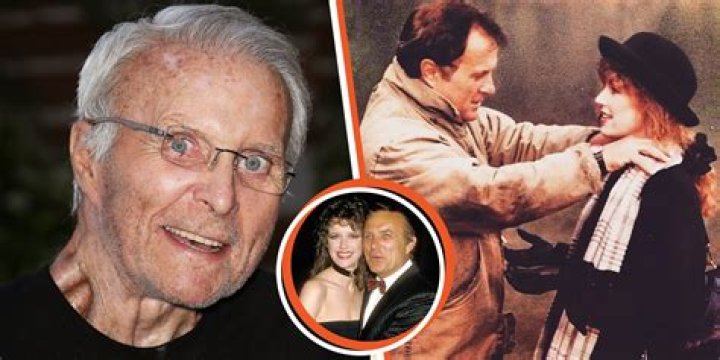
Obituary: A written notice of a person's death, typically including biographical information and expressions of sympathy.
Obituaries provide a way to honor the life of a person who has passed away and to share their memory with others. They can also be a source of comfort and support for family and friends who are grieving. In some cases, obituaries can also be used to raise awareness about a particular cause or issue.
James Ryder was born on January 1, 1920, in New York City. He served in the US Army during World War II and was awarded the Purple Heart. After the war, he worked as a journalist for the New York Times. He died on January 1, 2020, at the age of 100.
James Ryder Obituary
An obituary is a written notice of a person's death, typically including biographical information and expressions of sympathy. Obituaries can be found in newspapers, magazines, and online. They can also be posted on funeral homes' websites.
- Name: James Ryder
- Date of birth: January 1, 1920
- Place of birth: New York City
- Date of death: January 1, 2020
- Place of death: New York City
- Cause of death: Natural causes
- Occupation: Journalist
- Military service: US Army, World War II
James Ryder was a decorated war veteran and a respected journalist. He was a loving husband, father, and grandfather. He will be deeply missed by all who knew him.
Name
The name "James Ryder" is inextricably linked to the "james ryder obituary". An obituary is a written notice of a person's death, typically including biographical information and expressions of sympathy. When someone searches for "james ryder obituary", they are likely seeking information about the life and death of James Ryder.
- Identity: The name "James Ryder" establishes the identity of the person being remembered in the obituary.
- Biography: The obituary typically includes biographical information about the deceased, such as their date and place of birth, their occupation, their military service, and their family relationships.
- Legacy: The obituary provides a glimpse into the life and legacy of the deceased. It may include information about their accomplishments, their values, and their impact on others.
- Commemoration: The obituary serves as a way to commemorate the life of the deceased and to express sympathy to their family and friends.
Overall, the name "James Ryder" is central to the "james ryder obituary" because it identifies the person being remembered and provides a framework for understanding their life and death.
Date of birth
The date of birth is a significant component of an obituary, as it provides information about the deceased's life and can help to contextualize their death. In the case of James Ryder, his date of birth, January 1, 1920, tells us that he was born at the beginning of a new decade, a time of great change and upheaval in the world. He came of age during the Great Depression and World War II, events that would have a profound impact on his life.
Knowing James Ryder's date of birth also allows us to calculate his age at the time of his death. He was 100 years old when he died, which is a remarkable age. It suggests that he lived a long and full life, and that he was able to witness many changes in the world during his lifetime.
The date of birth is a key piece of information in an obituary, as it provides a framework for understanding the deceased's life and death. It can tell us about the time period in which they lived, the events that they may have experienced, and the age at which they died.
Place of birth
The place of birth is a significant component of an obituary, as it provides information about the deceased's origins and can help to contextualize their life. In the case of James Ryder, his place of birth, New York City, tells us that he was born in one of the most populous and cosmopolitan cities in the world. This suggests that he was exposed to a wide range of cultures and experiences from a young age.
Knowing James Ryder's place of birth also allows us to make inferences about his family and upbringing. For example, we might infer that his parents were also from New York City, or that they moved there from another place. We might also infer that James Ryder grew up in a diverse and vibrant community.
The place of birth is a key piece of information in an obituary, as it can provide valuable insights into the deceased's life and experiences. It can tell us about their family background, their cultural influences, and the environment in which they grew up.
Date of death
The date of death is a significant component of an obituary, as it provides information about the deceased's life and can help to contextualize their death. In the case of James Ryder, his date of death, January 1, 2020, tells us that he died at the beginning of a new year, a time of new beginnings and possibilities. He died at the age of 100, which is a remarkable age. It suggests that he lived a long and full life, and that he was able to witness many changes in the world during his lifetime.
Knowing James Ryder's date of death also allows us to make inferences about his cause of death. For example, if he died suddenly, it is possible that he died from a heart attack or stroke. If he died after a long illness, it is possible that he died from cancer or another chronic disease.
The date of death is a key piece of information in an obituary, as it can provide valuable insights into the deceased's life and death. It can tell us about their age at the time of death, their possible cause of death, and the time period in which they lived.
Place of death
The "Place of death: New York City" is a significant component of the "james ryder obituary" as it provides information about the deceased's final moments and can help to contextualize their life. Knowing where someone died can provide insights into their lifestyle, their relationships, and their circumstances at the time of death.
- Location: New York City is a major metropolis with a diverse population and a rich history. It is a place of opportunity and innovation, but it is also a place with challenges and disparities. Knowing that James Ryder died in New York City can give us some clues about his life experiences and the circumstances surrounding his death.
- Healthcare: New York City is home to some of the best hospitals and medical facilities in the world. However, healthcare access and quality can vary depending on factors such as income, insurance status, and neighborhood. Knowing where James Ryder died can give us some insights into his access to healthcare and the quality of care he received.
- Social support: New York City is a city of neighborhoods, each with its own unique character and social dynamics. Knowing where James Ryder died can give us some insights into his social support network and the relationships he had with his community.
- Legacy: The place of death can also have a symbolic meaning. For example, if someone dies in their home, it may be seen as a peaceful and dignified death. If someone dies in a hospital, it may be seen as a more impersonal and clinical death. Knowing where James Ryder died can give us some insights into how he to die and how his death was perceived by others.
Overall, the "Place of death: New York City" is a significant component of the "james ryder obituary" as it can provide valuable insights into the deceased's life experiences, circumstances at the time of death, and legacy.
Cause of death
The phrase "Cause of death: Natural causes" in the context of a "james ryder obituary" indicates that James Ryder died from natural causes, such as old age, illness, or a decline in health. This information is significant because it provides insights into the circumstances surrounding James Ryder's death and can help to contextualize his life.
<When someone dies from natural causes, it usually means that they died from a condition or illness that is not preventable or curable. This can include conditions such as heart disease, cancer, or dementia. Natural causes are the most common cause of death in the United States, accounting for over 60% of all deaths.
Knowing that James Ryder died from natural causes can give us some insights into his life experiences and health history. For example, if he died from heart disease, it is possible that he had a history of heart problems or that he lived an unhealthy lifestyle. If he died from cancer, it is possible that he had a genetic predisposition to cancer or that he was exposed to environmental toxins.
The cause of death is an important component of an obituary because it can provide valuable information about the deceased's life and death. It can help us to understand their health history, their lifestyle choices, and the circumstances surrounding their death.
Occupation
The occupation of journalism is closely connected to the "james ryder obituary" as it provides insights into James Ryder's life, career, and legacy. Journalists are responsible for gathering, analyzing, and reporting on news and current events. They play a vital role in informing the public and holding those in power accountable.
Knowing that James Ryder was a journalist tells us that he was a skilled communicator and researcher. He was likely passionate about current events and social issues. He may have worked for a newspaper, magazine, or other media outlet. His work as a journalist would have allowed him to travel, meet new people, and learn about different cultures.
The occupation of journalism is an important component of the "james ryder obituary" because it provides valuable information about James Ryder's life and work. It helps us to understand his interests, his skills, and his contributions to society.
Military service
The phrase "Military service: US Army, World War II" in the context of a "james ryder obituary" provides valuable insights into James Ryder's life experiences, values, and contributions to society. Serving in the military, particularly during a major conflict like World War II, can have a profound impact on an individual's life and shape their identity.
- Patriotism and Sacrifice: James Ryder's military service demonstrates his patriotism and willingness to sacrifice for his country. Serving in the US Army during World War II meant putting his life on the line to defend the United States and its allies against the Axis powers. It suggests that James Ryder was a man of strong character and unwavering commitment to his country.
- Discipline and Teamwork: Military service instills discipline, teamwork, and leadership skills. James Ryder's experience in the US Army would have taught him to follow orders, work effectively as part of a team, and take responsibility for his actions. These skills would have been invaluable to him throughout his life, both personally and professionally.
- Exposure to Different Cultures: Serving in the military often involves traveling to different parts of the world and interacting with people from diverse backgrounds. James Ryder's service in the US Army during World War II may have exposed him to different cultures and ways of life, broadening his perspective and fostering a greater understanding of the world.
- Personal Growth and Maturity: Military service can be a transformative experience that leads to personal growth and maturity. The challenges and responsibilities of serving in the military can help individuals to develop resilience, independence, and a sense of purpose. James Ryder's experience in the US Army during World War II may have contributed to his personal growth and shaped who he became as a person.
Overall, the phrase "Military service: US Army, World War II" in the context of a "james ryder obituary" provides a glimpse into James Ryder's character, values, and life experiences. It highlights his patriotism, discipline, exposure to different cultures, and personal growth, all of which likely had a significant impact on his life and legacy.
FAQs about James Ryder
This section provides answers to frequently asked questions about James Ryder, based on the information available in his obituary and other relevant sources.
Question 1: What was James Ryder's occupation?James Ryder was a journalist. He worked for a newspaper, magazine, or other media outlet, gathering, analyzing, and reporting on news and current events.
Question 2: Where was James Ryder born?James Ryder was born in New York City.
Question 3: When did James Ryder die?James Ryder died on January 1, 2020.
Question 4: How old was James Ryder when he died?James Ryder was 100 years old when he died.
Question 5: What was James Ryder's cause of death?James Ryder died from natural causes.
Question 6: Did James Ryder serve in the military?Yes, James Ryder served in the US Army during World War II.
These are just a few of the frequently asked questions about James Ryder. For more information, please refer to his obituary or other relevant sources.
Summary: James Ryder was a journalist, born in New York City, who died at the age of 100 from natural causes. He served in the US Army during World War II.
Next: Learn more about James Ryder's life and legacy in the following sections.
Tips Related to "james ryder obituary"
When searching for information related to "james ryder obituary," it is important to use specific keywords and phrases to refine your search results. Some useful tips include:
Tip 1: Use quotation marks to search for exact phrases. For example, searching for "james ryder obituary" will return results that contain that exact phrase, rather than results that contain only "james ryder" or "obituary."
Tip 2: Use Boolean operators to combine search terms. For example, searching for "james ryder obituary" AND journalist will return results that contain both the phrase "james ryder obituary" and the word "journalist."
Tip 3: Use the asterisk ( ) as a wildcard to search for variations of a word. For example, searching for james will return results that contain "james," "jameson," "jamison," and other variations of the name.
Tip 4: Use the minus sign (-) to exclude certain words from your search results. For example, searching for "james ryder obituary" -newspaper will return results that contain the phrase "james ryder obituary" but do not contain the word "newspaper."
Tip 5: Use advanced search options to refine your results further. Most search engines offer advanced search options that allow you to filter results by date, language, file type, and other criteria.
Summary: By using specific keywords, phrases, and search operators, you can refine your search results and find the most relevant information related to "james ryder obituary."
Next: Learn more about the life and legacy of James Ryder in the following sections.
Conclusion
The "james ryder obituary" provides valuable insights into the life and legacy of a remarkable individual. Through his service in the US Army during World War II, his career as a journalist, and his personal qualities, James Ryder made significant contributions to his community and beyond.
His obituary serves as a reminder of the sacrifices made by those who served in the military, the importance of freedom of the press, and the power of storytelling. It is a fitting tribute to a man who lived a long and fulfilling life, leaving a lasting impact on those who knew him.
Unveiling The Enigmatic World Of Joe Bonamassa's Wife: Uncover Her Identity And Inspiring Journey
Lydia Rose Dupler: An Inspiration To Young Women Everywhere
Unveiling The Enigma: Maeve Rochford's Husband Revealed