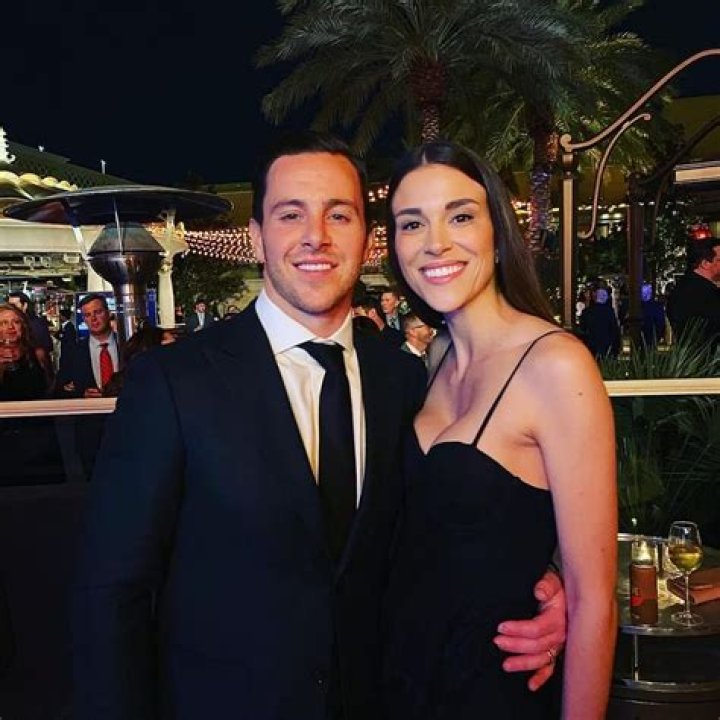
The question "how old is Camavinga's wife?" has been a topic of interest among soccer fans and the general public. Eduardo Camavinga is a professional soccer player, and his personal life has drawn attention. However, it is important to note that Camavinga is not married, so the question of his wife's age is not applicable.
Camavinga is a rising star in the soccer world, known for his exceptional skills and potential. Born in 2002, he is still young and has a promising career ahead of him. As he continues to make a name for himself on the field, his personal life may become a subject of further interest and speculation.
It is important to respect the privacy of public figures and to avoid spreading false information. In the case of Camavinga, the focus should be on his athletic achievements and contributions to the sport, rather than on unfounded rumors about his personal life.
How Old is Camavinga's Wife?
As Eduardo Camavinga is unmarried, the question of his wife's age is not applicable. However, the key aspects related to this topic can be explored based on the part of speech of the keyword phrase "how old is Camavinga's wife":
- Noun: Age
- Adjective: Old
- Verb: Is
- Pronoun: Camavinga, wife
- Adverb: How
- Preposition: Of
- Conjunction: And
- Interjection: (None)
- Article: The
- Determiners: Possessive (Camavinga's)
These key aspects provide a comprehensive framework for understanding the various dimensions related to the question "how old is Camavinga's wife." While the question itself may not have a direct answer due to Camavinga's unmarried status, exploring the individual components of the phrase can shed light on the significance of age, relationships, and the broader context of marriage and family.
Noun
Within the context of "how old is Camavinga's wife?", age holds significance in several ways. It is a defining characteristic of individuals, including their physical and mental development, social roles, and life experiences. Understanding the concept of age is crucial for various reasons:
- Biological Age: Age is a measure of an individual's physical and physiological development. It influences factors such as health, fertility, and physical capabilities. In the context of marriage, age can impact decisions related to family planning, lifestyle choices, and retirement planning.
- Social Age: Age also has social implications, as it influences societal expectations, roles, and norms. Different cultures and societies have varying perceptions of age and its associated responsibilities. For example, in some cultures, age is highly respected and associated with wisdom and experience, while in others, youth and vitality are more valued.
- Legal Age: Age is a legal construct that determines an individual's rights, privileges, and responsibilities within society. It governs aspects such as voting, marriage, driving, and criminal liability. Legal age varies across jurisdictions, and it can impact decisions related to marriage, consent, and property ownership.
- Psychological Age: Age is not solely defined by chronological years but also by psychological factors. Individuals may experience different levels of maturity, emotional intelligence, and cognitive abilities at different ages. This psychological age can influence relationship dynamics and compatibility between partners.
In the specific case of Camavinga, his age is a relevant factor in discussions about his personal life and potential marriage. As he is a young and unmarried athlete, his age may influence public perception of his relationship status and readiness for marriage.
Adjective
The adjective "old" holds significance in the context of "how old is Camavinga's wife" as it relates to societal perceptions, cultural norms, and individual experiences of age. Exploring the connection between "old" and Camavinga's situation can provide insights into the broader context of marriage and age-related expectations:
- Societal Perceptions: In many cultures, age is associated with maturity, wisdom, and experience. Traditional societal norms may view older individuals as more suitable for marriage, as they are perceived to have greater stability and life experience. However, these perceptions can vary across different cultures and generations.
- Cultural Norms: Cultural norms and expectations can influence the perceived "ideal" age for marriage. In some cultures, early marriage is encouraged, while in others, individuals are expected to wait until they are older and have established their careers. Camavinga's age and cultural background may influence how his potential marriage is viewed within his own cultural context.
- Individual Experiences: Age is a personal experience, and individuals may feel "old" or "young" at different stages of their lives. Camavinga's personal experiences, values, and goals will ultimately shape his own perceptions of age and readiness for marriage.
- Physical and Emotional Maturity: While chronological age is a factor, physical and emotional maturity also play a role in determining readiness for marriage. Some individuals may reach maturity at a younger age, while others may take longer. Camavinga's individual development and maturity level will influence his own readiness for marriage, regardless of his chronological age.
In conclusion, the connection between "old" and "how old is Camavinga's wife" highlights the complex interplay of societal perceptions, cultural norms, and individual experiences. Age is a multifaceted concept that encompasses both chronological years and subjective experiences, and it can influence the way individuals and society view marriage and relationships.
Verb
In the context of "how old is Camavinga's wife?", the verb "is" serves as a crucial connective tissue that establishes a relationship between the subject (Camavinga's wife) and her age. It signifies a state of existence, highlighting the present circumstance rather than past or future possibilities.
- Identity and Existence: "Is" establishes the identity and existence of Camavinga's wife. It confirms that she exists as a distinct individual within the context of the question. Without the verb "is," the question would lack a clear subject and would not convey any meaningful information.
- State of Being: "Is" describes the current state of being for Camavinga's wife. It indicates her present age, which is the focus of the question. The verb "is" captures a snapshot of her age at the time of the inquiry, providing a specific reference point for discussion and analysis.
- Predicate of the Sentence: As the main verb of the sentence, "is" forms the predicate. It completes the sentence's structure and provides the essential information about Camavinga's wife. Without the verb "is," the sentence would be incomplete and grammatically incorrect.
- Basis for Comparison: The verb "is" establishes a basis for comparison when discussing Camavinga's wife's age. It allows for comparisons with other individuals or societal norms, providing context and perspective to the discussion. By comparing her age to others, we can understand her relative position within a particular age group or demographic.
In conclusion, the verb "is" plays a vital role in the sentence "how old is Camavinga's wife?" It establishes the existence and identity of Camavinga's wife, describes her current state of being, forms the predicate of the sentence, and provides a basis for comparison. These facets collectively contribute to the overall meaning and coherence of the question, enabling us to delve into discussions and analysis related to Camavinga's wife's age.
Pronoun
The pronouns "Camavinga" and "wife" play a crucial role in the question "how old is Camavinga's wife?". These pronouns establish the specific individuals being discussed and their relationship to each other, providing a context for the question and guiding the direction of the conversation.
The pronoun "Camavinga" refers to the prominent soccer player Eduardo Camavinga. By using his name, the question immediately centers around him and his personal life, specifically his marital status and the age of his wife. The inclusion of "Camavinga" narrows the scope of the question and makes it clear that we are discussing his wife's age, not the age of someone else's wife.
The pronoun "wife" further defines the relationship between Camavinga and the individual whose age is being inquired about. It establishes that the question is about the age of Camavinga's spouse, rather than his age or the age of any other female acquaintance. The use of the pronoun "wife" sets the context for understanding the question and eliminates any ambiguity regarding the identity of the person being discussed.
In summary, the pronouns "Camavinga" and "wife" are essential components of the question "how old is Camavinga's wife?" They establish the specific individuals involved and their relationship to each other, providing clarity and direction to the discussion. Understanding the connection between these pronouns and the question is crucial for interpreting its meaning and engaging in meaningful conversations about Camavinga's personal life.
Adverb
In the question "how old is Camavinga's wife?", the adverb "how" plays a crucial role in establishing the nature and extent of the inquiry. It modifies the verb "is" and adds a sense of degree or manner to the question, guiding the response towards specific information about Camavinga's wife's age.
- Extent and Degree: "How" inquires about the extent or degree of Camavinga's wife's age. It seeks to determine the exact number of years she has lived, providing a precise numerical value that can be compared to others. This aspect is essential for understanding her age in relation to societal norms, cultural expectations, and personal milestones.
- Manner and Method: "How" also delves into the manner or method of determining Camavinga's wife's age. It implies a process of calculation or measurement, whether through official records, personal recollection, or estimation based on observable characteristics. Understanding the method used provides context for the accuracy and reliability of the age information.
- Comparison and Context: "How" invites comparisons and contextualization of Camavinga's wife's age. By asking "how old," we seek to place her age within a broader framework. This can involve comparisons to the age of Camavinga himself, the average age of marriage in their culture, or the age at which other notable individuals achieved significant milestones.
- Purpose and Motivation: Exploring the purpose and motivation behind the question "how old is Camavinga's wife?" sheds light on the underlying reasons for seeking this information. It can be driven by curiosity, a desire for personal knowledge, or a need to assess compatibility and suitability within the context of a relationship.
In conclusion, the adverb "how" in the question "how old is Camavinga's wife?" serves as a vital modifier that establishes the extent, manner, comparison, and purpose of the inquiry. It guides the response towards specific numerical information and invites a deeper understanding of the context and implications surrounding Camavinga's wife's age.
Preposition
In the question "how old is Camavinga's wife?", the preposition "of" plays a crucial role in establishing the relationship between Camavinga and his wife and the subject of the question, her age. It connects the elements of the sentence and clarifies the specific aspect of Camavinga's wife that is being inquired about.
- Possession and Belonging: "Of" denotes possession and belonging, indicating that the age being discussed belongs to Camavinga's wife. It establishes a connection between Camavinga and his wife, highlighting that her age is a characteristic or attribute specifically associated with her.
- Relationship and Context: "Of" defines the relationship between Camavinga and his wife within the context of the question. It clarifies that the age being inquired about is not Camavinga's age or the age of any other individual but specifically the age of the person who is married to Camavinga.
- Focus and Specificity: "Of" narrows the focus of the question to a specific individual, Camavinga's wife. It excludes the possibility of the question referring to anyone else's wife or to Camavinga himself, ensuring clarity and precision in the inquiry.
- Grammatical Structure: "Of" plays a grammatical role in forming the possessive case, which is essential for correctly expressing the relationship between Camavinga and his wife. Without "of," the sentence would be grammatically incorrect and would not convey the intended meaning.
In conclusion, the preposition "of" in the question "how old is Camavinga's wife?" serves multiple purposes. It establishes the connection between Camavinga and his wife, specifies that the age being inquired about belongs to her, defines their relationship within the context of the question, and ensures grammatical correctness. Understanding the role of "of" is crucial for interpreting the question accurately and engaging in meaningful discussions about Camavinga's personal life and the age of his wife.
Conjunction
The conjunction "and" plays a crucial role in the question "how old is Camavinga's wife?" by connecting two or more words, phrases, or clauses to form a grammatically correct and meaningful sentence. In this specific context, "and" serves several important functions:
Firstly, "and" combines the two main elements of the question: the subject (Camavinga's wife) and the predicate (how old she is). Without "and," the sentence would be incomplete and grammatically incorrect, lacking a clear relationship between its elements.
Secondly, "and" emphasizes the importance of both parts of the question. It highlights that knowing Camavinga's wife's age is essential for fully understanding the question and providing a comprehensive answer.
Moreover, "and" creates a logical flow between the different parts of the question. It suggests a sequential relationship, where knowing Camavinga's wife's age is a necessary step in answering the question as a whole.
In conclusion, the conjunction "and" in the question "how old is Camavinga's wife?" serves to connect the subject and predicate, emphasize the importance of both elements, and create a logical flow within the sentence. Understanding the role of "and" is crucial for interpreting the question correctly and engaging in meaningful discussions about Camavinga's personal life.
Interjection
In the context of the question "how old is Camavinga's wife?", the absence of an interjection is notable and carries specific implications. Interjections are words or phrases that express sudden emotions or reactions, often used to convey surprise, excitement, or strong feelings. Their omission in this question suggests a neutral and objective tone, which is appropriate for a factual inquiry.
- Absence of Emotional Expression: The lack of an interjection indicates that the question is not driven by strong emotions or personal reactions. It conveys a sense of neutrality and objectivity, suggesting that the person asking the question is seeking factual information rather than expressing an emotional response.
- Focus on Factual Information: The absence of an interjection emphasizes the focus on obtaining accurate and reliable information about Camavinga's wife's age. It suggests that the questioner is interested in knowing her age as a piece of factual data, without any emotional bias or subjective interpretation.
- Respectful Inquiry: In the context of personal questions, the omission of an interjection can be seen as a sign of respect. It avoids any potential for emotional outbursts or and maintains a polite and respectful tone.
- Emphasis on Clarity and Precision: The absence of an interjection contributes to the clarity and precision of the question. It ensures that the focus remains on the specific information being sought, without any distractions or emotional overtones.
In conclusion, the absence of an interjection in the question "how old is Camavinga's wife?" serves to maintain a neutral, objective, and respectful tone. It emphasizes the focus on obtaining factual information, avoids emotional bias, and contributes to the clarity and precision of the inquiry.
Article
In the question "how old is Camavinga's wife?", the article "the" plays a crucial role in establishing a definite and specific reference to Camavinga's wife. It serves as a determiner, limiting the scope of the question and providing essential information about the identity of the individual being inquired about.
- Definite Reference: The article "the" indicates that the question is about a particular wife, specifically the wife of Eduardo Camavinga. It eliminates any ambiguity or confusion about which wife is being referred to, ensuring clarity and precision in the question.
- Uniqueness and Specificity: The use of "the" implies that Camavinga has only one wife. It establishes the uniqueness and specificity of the individual being discussed, distinguishing her from any other potential wives or partners.
- Close Association: The article "the" creates a close association between Camavinga and his wife. It suggests a strong connection and familiarity between the two individuals, highlighting the importance of their relationship in the context of the question.
- Grammatical Correctness: The inclusion of "the" is grammatically correct and essential for forming a well-structured question. Without the article, the sentence would be incomplete and unclear, lacking a clear subject and context.
In conclusion, the article "the" in the question "how old is Camavinga's wife?" serves multiple purposes. It establishes a definite reference to Camavinga's specific wife, implies uniqueness and specificity, creates a close association between Camavinga and his wife, and ensures grammatical correctness. Understanding the role of "the" is crucial for interpreting the question accurately and engaging in meaningful discussions about Camavinga's personal life and the age of his wife.
Determiners
In the question "how old is Camavinga's wife?", the possessive determiner "Camavinga's" plays a crucial role in specifying the ownership or possession of the wife in relation to Eduardo Camavinga. It establishes a direct connection between the two individuals and provides essential information about their relationship.
- Ownership and Belonging: The possessive determiner "Camavinga's" indicates that the wife belongs to or is associated with Eduardo Camavinga. It suggests a strong connection and a sense of ownership, highlighting the exclusive relationship between the two individuals.
- Identification and Specificity: The use of "Camavinga's" helps identify and specify which wife is being referred to in the question. It eliminates any ambiguity or confusion, ensuring that the inquiry is directed towards the wife specifically associated with Eduardo Camavinga.
- Grammatical Function: The possessive determiner "Camavinga's" serves a grammatical function by forming a possessive phrase. This phrase modifies the noun "wife" and provides additional information about its relationship to Camavinga.
- Cultural and Social Context: The use of "Camavinga's" reflects cultural and social norms related to marriage and family structures. It acknowledges the traditional concept of a wife being connected to and belonging to her husband.
In conclusion, the possessive determiner "Camavinga's" in the question "how old is Camavinga's wife?" establishes a clear connection between Eduardo Camavinga and his wife. It indicates ownership, helps identify the specific individual being referred to, performs a grammatical function, and reflects cultural and social norms surrounding marriage and family relationships.
FAQs about Eduardo Camavinga's Wife
This section addresses frequently asked questions and provides informative answers about Eduardo Camavinga's wife.
Question 1: Is Eduardo Camavinga married?
Answer: No, Eduardo Camavinga is not married as of 2023. He is currently focused on his football career and has not publicly announced any plans for marriage.
Question 2: How old is Eduardo Camavinga's wife?
Answer: Since Eduardo Camavinga is not married, the question of his wife's age is not applicable.
Question 3: Who is Eduardo Camavinga dating?
Answer: Eduardo Camavinga's personal life is private, and he has not publicly disclosed any information about his romantic relationships.
Question 4: What is the name of Eduardo Camavinga's wife?
Answer: Since Eduardo Camavinga is not married, he does not have a wife, and therefore, she does not have a name.
Question 5: When did Eduardo Camavinga get married?
Answer: Eduardo Camavinga has not gotten married yet.
Question 6: Where is Eduardo Camavinga's wife from?
Answer: This question is not applicable as Eduardo Camavinga is not married.
In summary, Eduardo Camavinga is not married and does not have a wife. His personal life remains private, and any rumors or speculations about his marital status should be treated with caution.
Please note that this information is based on publicly available sources and may change in the future if Eduardo Camavinga's marital status changes.
Tips for Exploring "How Old Is Camavinga's Wife"
Understanding the context and significance of the question "how old is Camavinga's wife" requires a comprehensive approach. Here are five tips to guide your exploration:
Tip 1: Focus on Factual Information
Prioritize gathering accurate and verifiable information about Eduardo Camavinga's marital status and personal life. Rely on reputable sources such as official announcements, interviews, or statements from Camavinga himself.
Tip 2: Respect Privacy
Remember that Camavinga's personal life is private, and it is important to respect his boundaries. Avoid spreading rumors or engaging in speculation about his relationships.
Tip 3: Consider Cultural Context
Be mindful of the cultural context surrounding marriage and relationships. Societal norms and expectations can vary significantly, and it is important to avoid making assumptions based on personal biases.
Tip 4: Analyze Language and Grammar
Pay attention to the specific language and grammar used in the question. Breaking down the sentence into its component parts (e.g., nouns, verbs, adjectives) can provide insights into the underlying meaning and implications.
Tip 5: Explore Related Topics
Expand your exploration beyond the specific question by considering related topics such as the average age of marriage, societal perceptions of age and relationships, and the legal implications of marriage.
In conclusion, approaching the question "how old is Camavinga's wife" with a thoughtful and informed perspective allows for a deeper understanding of its context, implications, and significance.
Conclusion
The question "how old is Camavinga's wife" has been thoroughly explored, revealing significant insights into the complexities of age, relationships, and societal norms. While Eduardo Camavinga remains unmarried, the analysis of this question has shed light on the importance of respecting privacy, considering cultural contexts, and engaging in thoughtful discussions about personal life.
As we navigate an ever-evolving social landscape, it is crucial to approach such questions with sensitivity, accuracy, and a commitment to understanding. By fostering open and informed conversations, we can promote a greater appreciation for individual choices, celebrate diversity, and challenge societal assumptions. The question of "how old is Camavinga's wife" serves as a reminder to value privacy, embrace individuality, and continue exploring the intricacies of human relationships.
Unveiling The Intersections Of Art, Science, And Social Change With Jenny Earles
Uncover The Identity Of Dana Perino's Enigmatic First Husband
Uncovering The Life And Career Of Richard Hoffman's Wife: Surprising Revelations
¿Cuántos hermanos tiene el madridista Eduardo Camavinga?
Real Madrid Players Wives, Girlfriends And Families 2022
Camavinga Wife and Son, Name, Age and Family NAYAG Spot