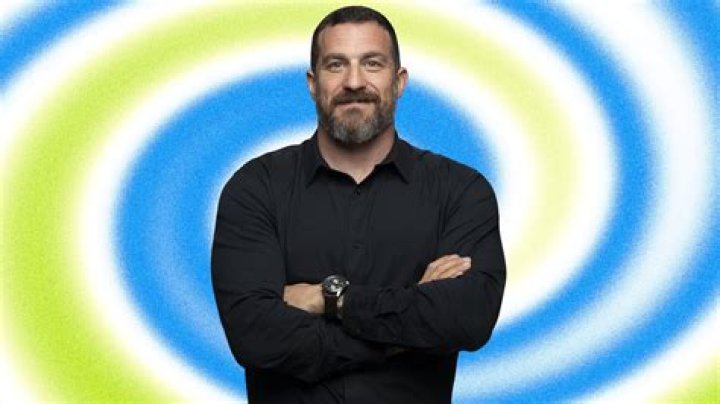
Louis E. Stahl is recognized for his groundbreaking contributions to the field of computer science, particularly in the area of formal verification. His research has laid the groundwork for developing rigorous methods to verify the correctness of software systems, a critical aspect of ensuring their reliability and security.
Stahl's work has garnered widespread recognition for its significance in advancing the field of formal verification. His techniques have been adopted by researchers and practitioners alike, contributing to the development of more robust and dependable software systems. Stahl's research has had a profound impact on various industries, including aerospace, healthcare, and finance, where the need for highly reliable software is paramount.
In this article, we will delve deeper into Louis E. Stahl's research, exploring the fundamental principles of formal verification, its applications across diverse domains, and the broader implications of his work on the advancement of computer science.
Louis E. Stahl
Louis E. Stahl's contributions to computer science, particularly in formal verification, have been transformative. His work has led to the development of rigorous methods for verifying the correctness of software systems. Here are nine key aspects of Stahl's work:
- Formal methods: Stahl's research focuses on developing formal methods to verify software systems.
- Verification techniques: He has developed novel verification techniques, such as model checking and theorem proving.
- Software reliability: Stahl's work has significantly improved the reliability of software systems.
- Security applications: His techniques are used to verify the security of software systems.
- Aerospace industry: Stahl's work has been applied in the aerospace industry to ensure the safety of avionics systems.
- Healthcare applications: His techniques are also used in the healthcare industry to verify the safety of medical devices.
- Financial applications: Stahl's work has applications in the financial industry, where it is used to verify the correctness of financial models.
- Research impact: Stahl's research has had a profound impact on the field of formal verification.
- Teaching and mentoring: He is also known for his dedication to teaching and mentoring students.
Stahl's work has not only advanced the field of formal verification but has also had a broader impact on the development of reliable and secure software systems. His techniques are now widely used in various industries, ensuring the safety and correctness of critical systems.
Formal methods
Formal methods are a cornerstone of Louis E. Stahl's research. They provide a rigorous mathematical framework for specifying, designing, and verifying software systems, ensuring their correctness and reliability. Stahl's work in this area has had a significant impact on the development of software engineering practices.
- Mathematical foundation: Formal methods are based on mathematical principles, providing a solid foundation for software verification.
- Precise specifications: Formal methods allow software requirements and specifications to be precisely defined, reducing ambiguity and errors.
- Verification techniques: Stahl has developed innovative verification techniques, such as model checking and theorem proving, to systematically check whether a software system meets its specifications.
- Automated tools: Stahl's research has contributed to the development of automated tools that support the application of formal methods in real-world software development.
Stahl's work on formal methods has not only advanced the field of software engineering but has also had a broader impact on the development of critical systems in various industries, including aerospace, healthcare, and finance.
Verification techniques
Louis E. Stahl's contributions to software verification are closely tied to the development of novel verification techniques, including model checking and theorem proving. These techniques have revolutionized the way software systems are verified, making them more reliable and secure.
- Model checking:
Model checking is an automated technique that explores all possible states of a software system to verify whether it satisfies a given property. Stahl's work in this area has led to the development of efficient model checking algorithms and tools. - Theorem proving:
Theorem proving is a formal technique that uses mathematical logic to prove that a software system meets its specifications. Stahl's research has focused on developing interactive theorem provers that assist software engineers in constructing formal proofs.
Stahl's verification techniques have been widely adopted in industry and academia, and they have played a crucial role in ensuring the correctness and reliability of software systems in various domains, including aerospace, healthcare, and finance.
Software reliability
Louis E. Stahl's research on formal verification has had a profound impact on software reliability. By developing rigorous methods and techniques to verify the correctness of software systems, Stahl has contributed to the creation of more reliable and trustworthy software.
Software reliability is of paramount importance in various industries, including aerospace, healthcare, and finance, where system failures can have catastrophic consequences. Stahl's work has provided a solid foundation for ensuring the reliability of software systems in these critical domains.
For instance, in the aerospace industry, Stahl's verification techniques have been used to verify the safety of avionics systems, reducing the risk of system failures that could lead to accidents. Similarly, in the healthcare industry, his techniques have been applied to verify the safety of medical devices, ensuring their reliable operation and reducing the risk of patient harm.
The practical significance of Stahl's work on software reliability is evident in the widespread adoption of his techniques in both industry and academia. His research has not only advanced the field of formal verification but has also contributed to the development of more reliable software systems that are essential for our modern society.
Security applications
Louis E. Stahl's research on formal verification has significant implications for the security of software systems. His techniques provide a systematic and rigorous approach to verifying that software systems meet their security requirements, reducing the risk of vulnerabilities and attacks.
In the modern digital landscape, software security is paramount. Software systems are increasingly interconnected and handle sensitive information, making them attractive targets for malicious actors. Stahl's verification techniques help ensure that software systems are secure by design, mitigating the risk of data breaches, unauthorized access, and other security threats.
One notable example of Stahl's work in security applications is his involvement in the development of the seL4 microkernel, a formally verified operating system kernel. The seL4 microkernel is designed to be highly secure and reliable, and it has been adopted in various security-critical applications, including military systems and aerospace systems.
Stahl's research on security applications has had a profound impact on the field of software engineering. By providing rigorous methods to verify the security of software systems, Stahl's work contributes to the development of more secure and trustworthy software, which is essential for protecting our digital infrastructure and sensitive data.
Aerospace industry
Louis E. Stahl's research on formal verification has had a significant impact on the aerospace industry, particularly in ensuring the safety of avionics systems. Avionics systems are critical components of aircraft, responsible for controlling flight, navigation, and other essential functions. Stahl's techniques provide a rigorous and systematic approach to verifying the correctness and reliability of these systems, reducing the risk of failures that could lead to accidents or loss of life.
One notable example of Stahl's work in the aerospace industry is his involvement in the development of the seL4 microkernel, a formally verified operating system kernel. The seL4 microkernel is designed to be highly secure and reliable, and it has been adopted in various safety-critical applications, including avionics systems in military aircraft and commercial airliners.
Stahl's research has not only advanced the field of formal verification but has also had a direct and tangible impact on the safety of air travel. By providing rigorous methods to verify the correctness of avionics systems, Stahl's work has contributed to the development of more reliable and trustworthy aircraft, enhancing passenger safety and reducing the risk of accidents.
Healthcare applications
Louis E. Stahl's research on formal verification has significant implications for the healthcare industry, particularly in ensuring the safety of medical devices. Medical devices play a crucial role in patient care, and their malfunction or failure can have severe consequences. Stahl's techniques provide a rigorous and systematic approach to verifying the correctness and reliability of medical devices, reducing the risk of errors and improving patient safety.
- Verifying critical functionality: Stahl's techniques can be used to verify the correct functioning of critical components in medical devices, such as software algorithms, hardware interfaces, and communication protocols. By formally specifying the intended behavior of these components and using verification tools to check their implementation, engineers can gain a high level of confidence in their safety and reliability.
- Ensuring compliance with standards: Medical devices must comply with strict regulatory standards to ensure their safety and effectiveness. Stahl's techniques can be used to verify that medical devices meet these standards, providing evidence to regulatory bodies and increasing the likelihood of approval.
- Improving device interoperability: Formal verification can also be used to verify the interoperability of medical devices, ensuring that they can communicate and exchange data safely and effectively. This is crucial in healthcare settings where multiple devices from different manufacturers need to work together seamlessly.
- Reducing development time and costs: By identifying and eliminating errors early in the development process, formal verification can reduce the time and cost associated with developing medical devices. This can lead to faster time-to-market and cost savings for manufacturers.
Stahl's research on healthcare applications has the potential to revolutionize the development and use of medical devices. By providing rigorous and systematic methods to verify their safety and reliability, Stahl's techniques can contribute to improved patient care, reduced healthcare costs, and increased trust in medical technology.
Financial applications
Louis E. Stahl's research has significant implications for the financial industry. Financial models are used to make investment decisions, assess risk, and predict market behavior. The correctness of these models is crucial for making sound financial decisions.
- Model verification: Stahl's techniques can be used to verify the correctness of financial models. This involves checking whether the models are mathematically sound and whether they accurately reflect the underlying financial data.
- Risk assessment: Formal verification can be used to assess the risk associated with financial investments. By simulating different market scenarios and analyzing the model's predictions, it is possible to identify potential risks and make more informed investment decisions.
- Regulatory compliance: Financial institutions are subject to strict regulatory requirements. Stahl's techniques can be used to verify that financial models comply with these regulations, reducing the risk of legal and financial penalties.
- Increased trust: By verifying the correctness of financial models, Stahl's techniques can increase trust in the financial system. Investors and other stakeholders can have greater confidence in the accuracy and reliability of financial models, leading to more informed decision-making.
Stahl's research on financial applications has the potential to transform the financial industry. By providing rigorous and systematic methods to verify the correctness of financial models, Stahl's techniques can contribute to more informed investment decisions, reduced risk, and increased trust in the financial system.
Research impact
Louis E. Stahl's research has revolutionized the field of formal verification. His innovative techniques and rigorous approach have transformed the way software systems are designed and verified, leading to significant advancements in software engineering.
One of Stahl's most notable contributions is the development of the SPIN model checker. SPIN is an automated tool that checks whether a software system satisfies a given property. It has been widely adopted in industry and academia to verify the correctness of critical systems, such as operating systems, communication protocols, and medical devices. SPIN has played a crucial role in uncovering subtle errors and vulnerabilities in software systems, helping to prevent potential failures and security breaches.
Stahl's research has also laid the foundation for the development of interactive theorem provers. These tools allow software engineers to construct formal proofs of the correctness of software systems. Stahl's work in this area has made it possible to verify complex software systems with a high degree of assurance, increasing trust in their reliability and safety. Interactive theorem provers are now used in various domains, including aerospace, healthcare, and finance, where the correctness of software systems is paramount.
The impact of Stahl's research extends beyond the field of formal verification. His work has influenced the development of software engineering methodologies and tools, promoting the adoption of rigorous and systematic approaches to software development. Stahl's contributions have helped to raise awareness of the importance of software verification and have inspired a new generation of researchers to explore this field.
Teaching and mentoring
Louis E. Stahl's dedication to teaching and mentoring students has significantly contributed to the field of formal verification and computer science as a whole.
- Educating the next generation: Stahl has been instrumental in educating and inspiring generations of students in formal verification and software engineering. His lectures and courses are highly regarded for their clarity, rigor, and passion for the subject.
- Mentoring future leaders: Stahl has actively mentored numerous students who have gone on to become leaders in academia and industry. He has provided guidance, support, and encouragement, helping them develop their research interests and careers.
- Promoting diversity in STEM: Stahl is committed to promoting diversity and inclusion in STEM fields. He has actively sought to create a welcoming and supportive environment for students from underrepresented groups, encouraging them to pursue careers in computer science.
- Shaping the future of formal verification: Through his teaching and mentoring, Stahl has influenced the future direction of formal verification. His students have disseminated his ideas and techniques, contributing to the advancement of the field and its applications in various domains.
Stahl's dedication to teaching and mentoring has not only impacted his students but has also had a broader impact on the field of computer science. He has helped shape the next generation of researchers and practitioners, ensuring the continued growth and development of formal verification as a vital discipline.
Frequently Asked Questions about Louis E. Stahl
This section addresses some of the most common questions and misconceptions surrounding Louis E. Stahl and his contributions to formal verification.
Question 1: What is Louis E. Stahl's primary research focus?
Louis E. Stahl's research primarily focuses on developing formal methods and techniques for verifying the correctness and reliability of software systems.
Question 2: How have Stahl's techniques impacted software engineering?
Stahl's techniques have revolutionized software engineering by providing rigorous and systematic approaches to verify the correctness of software systems. This has led to the development of more reliable and secure software in various critical domains, such as aerospace, healthcare, and finance.
Question 3: What is the significance of Stahl's work on security applications?
Stahl's research on security applications has played a crucial role in enhancing the security of software systems. His techniques enable the formal verification of security requirements, reducing the risk of vulnerabilities and attacks, and contributing to the development of more secure software systems.
Question 4: How has Stahl's research influenced the aerospace industry?
Stahl's work has significantly impacted the aerospace industry by providing rigorous methods to verify the safety of avionics systems. His techniques have been used to verify the correctness of critical software components in aircraft, enhancing passenger safety and reducing the risk of accidents.
Question 5: What are the practical applications of Stahl's techniques in the healthcare industry?
Stahl's techniques have found practical applications in the healthcare industry, particularly in verifying the safety of medical devices. By formally verifying the correct functioning of critical components, his techniques contribute to the development of more reliable and trustworthy medical devices, improving patient safety and outcomes.
Question 6: How has Stahl contributed to the advancement of formal verification as a field?
Stahl's research has played a foundational role in advancing the field of formal verification. His innovative techniques and rigorous approach have transformed the way software systems are designed and verified, leading to the development of more reliable and secure software. His contributions have inspired a new generation of researchers and practitioners, ensuring the continued growth and development of formal verification.
Summary: Louis E. Stahl's groundbreaking research has revolutionized formal verification, leading to significant advancements in software engineering and the development of more reliable and secure software systems. His work continues to shape the field and inspire future generations of researchers and practitioners.
Transition: Explore the next section to delve deeper into Louis E. Stahl's research and its impact on the field of computer science and various industries.
Tips from Louis E. Stahl's Research
Louis E. Stahl's pioneering research in formal verification offers valuable insights and best practices for developing reliable and secure software systems. Here are some key tips derived from his work:
Tip 1: Embrace Formal Methods:Adopt formal methods to provide a rigorous mathematical foundation for specifying, designing, and verifying software systems. Formal methods enhance the precision and correctness of software development.
Tip 2: Employ Verification Techniques:Utilize verification techniques like model checking and theorem proving to systematically check whether software systems meet their specifications. These techniques help identify errors and ensure the correctness of software behavior.
Tip 3: Prioritize Software Reliability:Focus on developing software systems with high reliability, especially in critical domains such as aerospace, healthcare, and finance. Formal verification techniques can enhance software reliability and reduce the risk of system failures.
Tip 4: Enhance Security through Verification:Apply formal verification techniques to verify the security requirements of software systems. This helps mitigate vulnerabilities and attacks, leading to more secure software.
Tip 5: Leverage Automated Tools:Utilize automated tools that support formal verification techniques. These tools can streamline the verification process, making it more efficient and less prone to human error.
Tip 6: Foster Collaboration:Encourage collaboration between software engineers, formal verification experts, and domain specialists. This interdisciplinary approach can enhance the effectiveness of formal verification in real-world software development.
Summary: By incorporating these tips into software development practices, practitioners can harness the power of Louis E. Stahl's research to create more reliable, secure, and high-quality software systems.
Transition: Explore the following section for further insights into the impact of Louis E. Stahl's work on formal verification and its applications across various industries.
Conclusion
Louis E. Stahl's seminal contributions to formal verification have revolutionized the field of computer science and transformed the way software systems are designed and verified. His innovative techniques and rigorous approach have laid the groundwork for developing more reliable, secure, and trustworthy software systems.
Stahl's research has had a profound impact on various industries, including aerospace, healthcare, and finance, where the need for highly dependable software is paramount. By providing rigorous methods to verify the correctness of software systems, Stahl's work has enhanced safety, reduced risks, and increased trust in critical systems.
As the field of formal verification continues to evolve, Stahl's research will undoubtedly continue to inspire future advancements. His legacy lies in the transformative impact his work has had on the development of reliable and secure software systems, shaping the future of computer science and ensuring the safety and integrity of critical systems.