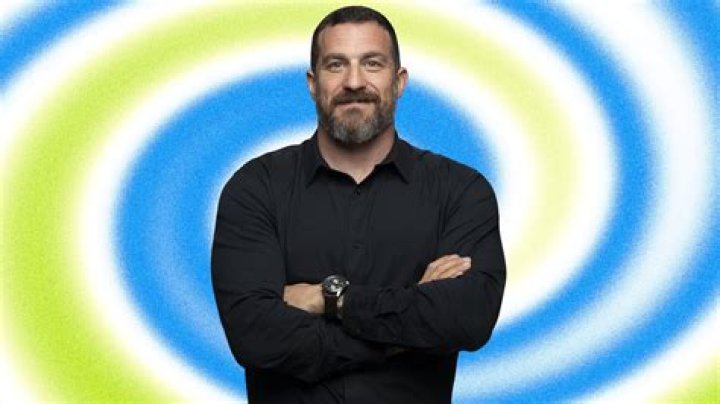
Neil deGrasse Tyson is an American astrophysicist, author, and science communicator. He is the director of the Hayden Planetarium at the American Museum of Natural History in New York City. Tyson is known for his entertaining and accessible explanations of complex scientific concepts.
In 2018, Tyson gave a lecture at the University of Minnesota in Minneapolis. The lecture was part of the university's Distinguished Lecture Series. In his lecture, Tyson discussed the importance of science and critical thinking in today's world. He also talked about his work on the Hayden Planetarium and his plans for the future.
Tyson's lecture was well-received by the audience. He is a gifted communicator who is able to make complex scientific concepts understandable to everyone. His lecture was a reminder of the importance of science and critical thinking in our world today.
Neil deGrasse Tyson Minneapolis
Neil deGrasse Tyson's lecture at the University of Minnesota in Minneapolis was a significant event that brought together science, education, and public engagement. Here are eight key aspects of the event:
- Distinguished Lecture: Tyson's lecture was part of the university's prestigious Distinguished Lecture Series.
- Science Communication: Tyson is renowned for his ability to communicate complex scientific concepts to a general audience.
- Education: The lecture was an educational opportunity for students and the community to learn about astronomy and science.
- Public Engagement: Tyson's lecture fostered public engagement with science and encouraged critical thinking.
- Hayden Planetarium: Tyson discussed his work as director of the Hayden Planetarium at the American Museum of Natural History.
- Future of Science: Tyson shared his vision for the future of science and exploration.
- Inspiration: Tyson's lecture inspired attendees to pursue careers in science and technology.
- Community: The event brought together the University of Minnesota community and the broader Minneapolis community.
These key aspects highlight the importance of Neil deGrasse Tyson's lecture in Minneapolis. The lecture was an opportunity for education, public engagement, and inspiration. It also showcased Tyson's commitment to science communication and his vision for the future of science.
Distinguished Lecture
Neil deGrasse Tyson's lecture at the University of Minnesota in Minneapolis was part of the university's prestigious Distinguished Lecture Series. This series brings renowned scholars, artists, and public figures to campus to share their expertise and insights with the university community and the broader public. Tyson's lecture was a significant event, as he is one of the world's leading astrophysicists and science communicators.
The Distinguished Lecture Series is a key component of the university's commitment to academic excellence and public engagement. The series provides a platform for thought leaders to share their ideas and perspectives on a wide range of topics, from science and technology to the arts and humanities. Tyson's lecture was a particularly timely and relevant addition to the series, given his expertise in astronomy and his ability to communicate complex scientific concepts to a general audience.
Tyson's lecture was a success by all accounts. He delivered a thought-provoking and engaging presentation that was well-received by the audience. The lecture was also a valuable opportunity for the university community and the broader public to learn from one of the world's leading scientists.
Science Communication
Neil deGrasse Tyson's ability to communicate complex scientific concepts to a general audience is a key component of his success as a science communicator. His lecture at the University of Minnesota in Minneapolis is a prime example of his ability to engage and inform people about science.
Tyson's lecture was titled "The Cosmic Perspective." In it, he discussed the vastness of the universe and our place in it. He also talked about the importance of science and critical thinking. Tyson's lecture was both informative and entertaining, and it left the audience with a greater appreciation for the wonders of the universe.
Tyson's ability to communicate complex scientific concepts is a valuable asset. It allows him to reach a wide audience and to promote the importance of science. His lecture at the University of Minnesota in Minneapolis is just one example of how he is using his voice to make a difference.
Education
Neil deGrasse Tyson's lecture at the University of Minnesota in Minneapolis was an educational opportunity for students and the community to learn about astronomy and science. Tyson is a renowned astrophysicist and science communicator, and his lecture was part of the university's Distinguished Lecture Series.
- The Importance of Science Education: Tyson's lecture highlighted the importance of science education for students of all ages. He emphasized the need for students to develop critical thinking skills and an understanding of the scientific method. Tyson also discussed the importance of science literacy for informed decision-making in today's world.
- Astronomy and Space Exploration: Tyson's lecture focused on astronomy and space exploration. He discussed the latest discoveries about the universe, including the search for exoplanets and the possibility of life beyond Earth. Tyson also talked about the importance of space exploration for our understanding of the universe and our place in it.
- Engaging and Inspiring Students: Tyson's lecture was engaging and inspiring for students. He used humor and personal anecdotes to make complex scientific concepts accessible and relatable. Tyson's passion for science was evident, and he left the audience with a greater appreciation for the wonders of the universe.
- Public Engagement with Science: Tyson's lecture was also an opportunity for public engagement with science. He discussed the importance of science communication and the need for scientists to share their research with the public. Tyson also emphasized the importance of critical thinking and skepticism in the face of misinformation and pseudoscience.
Tyson's lecture was a valuable educational opportunity for students and the community. He highlighted the importance of science education, astronomy, and space exploration. Tyson also inspired the audience with his passion for science and his commitment to public engagement.
Public Engagement
Neil deGrasse Tyson's lecture at the University of Minnesota in Minneapolis was a significant event that fostered public engagement with science and encouraged critical thinking. Tyson is a renowned astrophysicist and science communicator, and his lecture was part of the university's Distinguished Lecture Series.
- Science Communication for Public Understanding: Tyson's lecture demonstrated the importance of science communication for public understanding. He used clear and engaging language to explain complex scientific concepts, making them accessible to a general audience.
- Encouraging Critical Thinking: Tyson's lecture encouraged critical thinking by challenging the audience to question their assumptions and to examine evidence before forming conclusions. He emphasized the importance of skepticism and the scientific method in evaluating information.
- Inspiring Future Scientists: Tyson's lecture inspired future scientists by showcasing the excitement and wonder of scientific discovery. He shared his passion for astronomy and space exploration, and he encouraged the audience to pursue careers in science and technology.
- Public Dialogue on Science: Tyson's lecture fostered a public dialogue on science. He discussed the importance of science in society and the need for informed decision-making on issues related to science and technology.
Tyson's lecture is a model for public engagement with science. He demonstrated the power of science communication to inform, inspire, and empower the public. Tyson's lecture is a reminder of the importance of science in our society and the need for continued public engagement with science.
Hayden Planetarium
Neil deGrasse Tyson's lecture at the University of Minnesota in Minneapolis included a discussion of his work as director of the Hayden Planetarium at the American Museum of Natural History. This connection is significant because it highlights Tyson's commitment to public engagement with science and his passion for astronomy and space exploration.
- Science Education and Outreach: Tyson sees the Hayden Planetarium as a platform for science education and outreach. He has developed innovative programs and exhibits that make astronomy and space science accessible to people of all ages and backgrounds.
- Public Understanding of Science: Tyson believes that it is essential for the public to have a basic understanding of science in order to make informed decisions about important issues facing society. Through his work at the Hayden Planetarium, he strives to make science more accessible and engaging for everyone.
- Inspiring Future Scientists: Tyson is passionate about inspiring future scientists and explorers. He hopes that his work at the Hayden Planetarium will encourage young people to pursue careers in science and technology.
- The Importance of Astronomy: Tyson believes that astronomy is a vital field of study because it helps us to understand our place in the universe. He uses the Hayden Planetarium as a platform to share the latest discoveries about astronomy and space exploration with the public.
Tyson's work at the Hayden Planetarium is an important part of his overall mission to promote science and scientific thinking. His lecture at the University of Minnesota in Minneapolis provided a valuable opportunity to share his work with a wider audience and to inspire others to engage with science.
Future of Science
In his lecture at the University of Minnesota in Minneapolis, Neil deGrasse Tyson shared his vision for the future of science and exploration. Tyson is a renowned astrophysicist and science communicator, and his insights into the future of science are both informed and inspiring.
- Continued Exploration of Space: Tyson believes that space exploration is essential for our future. He envisions a future in which humans will travel to Mars and beyond, and he sees space exploration as a way to unite humanity and inspire future generations.
- Advancements in Technology: Tyson also discussed the importance of advancements in technology for the future of science. He believes that new technologies will allow us to solve some of the world's most pressing problems, such as climate change and disease.
- Public Engagement with Science: Tyson emphasized the importance of public engagement with science. He believes that scientists have a responsibility to share their research with the public and to make science accessible to everyone.
- Inspiring Future Scientists: Tyson is passionate about inspiring future scientists and explorers. He believes that it is important to encourage young people to pursue careers in science and technology.
Tyson's vision for the future of science is ambitious, but it is also achievable. By continuing to explore space, advancing technology, and engaging the public with science, we can build a better future for humanity.
Inspiration
Neil deGrasse Tyson's lecture at the University of Minnesota in Minneapolis was an inspiring event for many attendees. Tyson is a renowned astrophysicist and science communicator, and his passion for science was evident in his lecture. He spoke about the importance of science and critical thinking, and he shared his vision for the future of space exploration. Tyson's lecture left many attendees feeling inspired to pursue careers in science and technology.
One of the reasons why Tyson's lecture was so inspiring was his ability to make science accessible and engaging. He used humor and personal anecdotes to explain complex scientific concepts, and he made it clear that science is not just for a select few. Tyson also emphasized the importance of curiosity and imagination in science, and he encouraged attendees to follow their dreams.
Tyson's lecture is just one example of how scientists can inspire young people to pursue careers in science and technology. By sharing their passion for science and by making it accessible to everyone, scientists can help to create a future in which everyone has the opportunity to succeed in science and technology.
Community
Neil deGrasse Tyson's lecture at the University of Minnesota in Minneapolis was a significant event that brought together the university community and the broader Minneapolis community. This connection is important because it highlights the role of universities as centers of public engagement and the importance of science communication for fostering community connections.
- Public Engagement: Universities have a responsibility to engage with the public and share their knowledge and resources. Tyson's lecture is an example of how universities can use their platforms to bring scientists and the public together to discuss important issues.
- Science Communication: Tyson is a renowned science communicator, and his lecture was a valuable opportunity for the community to learn about astronomy and space exploration. Tyson's ability to make complex scientific concepts accessible to a general audience is essential for public engagement with science.
- Community Building: The lecture brought together people from all walks of life to share their interest in science. This helped to build community and foster a sense of belonging among attendees. Tyson's lecture is a reminder of the power of science to bring people together.
- Inspiration: Tyson's lecture inspired many attendees to pursue careers in science and technology. This is an important outcome of public engagement with science, as it helps to ensure that the next generation of scientists and engineers is diverse and reflective of the community.
The connection between "Community: The event brought together the University of Minnesota community and the broader Minneapolis community." and "neil degrasse tyson minneapolis" is significant because it highlights the role of universities as centers of public engagement and the importance of science communication for fostering community connections. Tyson's lecture is a model for how universities can use their platforms to bring scientists and the public together to discuss important issues and inspire future generations of scientists and engineers.
Frequently Asked Questions (FAQs) about Neil deGrasse Tyson Minneapolis
The following are frequently asked questions about Neil deGrasse Tyson's lecture at the University of Minnesota in Minneapolis:
Question 1: What was the main focus of Tyson's lecture?
Answer: Tyson's lecture focused on the importance of science and critical thinking in today's world. He also discussed his work as director of the Hayden Planetarium and his plans for the future.
Question 2: What were some of the key takeaways from Tyson's lecture?
Answer: Some of the key takeaways from Tyson's lecture include the importance of science education, the need for critical thinking, and the power of science to inspire future generations.
Question 3: How did Tyson's lecture inspire the audience?
Answer: Tyson's lecture inspired the audience by showcasing the excitement and wonder of scientific discovery. He encouraged the audience to pursue careers in science and technology and to use critical thinking to make informed decisions.
Question 4: What was the significance of Tyson's lecture in the context of public engagement with science?
Answer: Tyson's lecture is a model for public engagement with science. He demonstrated the importance of science communication for public understanding and the need for scientists to share their research with the public.
Question 5: How did Tyson's lecture contribute to the University of Minnesota community?
Answer: Tyson's lecture brought together the University of Minnesota community and the broader Minneapolis community. It provided a valuable opportunity for students, faculty, and the public to learn about astronomy and space exploration.
Question 6: What was the overall impact of Tyson's lecture?
Answer: Tyson's lecture was a success by all accounts. It was an educational opportunity for students and the community, it fostered public engagement with science, and it inspired future scientists and explorers.
Summary: Neil deGrasse Tyson's lecture at the University of Minnesota in Minneapolis was a significant event that brought together science, education, and public engagement. The lecture highlighted the importance of science and critical thinking in today's world and inspired the audience to pursue careers in science and technology.
Transition to next article section: Neil deGrasse Tyson is a renowned astrophysicist, author, and science communicator. He is the director of the Hayden Planetarium at the American Museum of Natural History in New York City. Tyson is known for his entertaining and accessible explanations of complex scientific concepts.
Tips for Engaging with Neil deGrasse Tyson's Work
Neil deGrasse Tyson is a renowned astrophysicist, author, and science communicator. His work has inspired millions of people around the world to learn more about science and the universe. If you are interested in engaging with Tyson's work, here are a few tips to help you get started:
Tip 1: Read his books. Tyson has written several books on a variety of science topics, including astrophysics, cosmology, and the history of science. His books are known for their clear and engaging writing style, which makes them accessible to readers of all levels.
Tip 2: Watch his videos. Tyson has produced a number of videos on YouTube and other platforms. These videos cover a wide range of topics, including astronomy, space exploration, and science education. Tyson's videos are known for their engaging visuals and his ability to explain complex scientific concepts in a clear and concise way.
Tip 3: Listen to his podcasts. Tyson hosts a podcast called "StarTalk." This podcast features interviews with scientists, authors, and other experts on a variety of science topics. Tyson's podcast is a great way to learn more about the latest developments in science and to hear from leading experts in the field.
Tip 4: Attend his lectures. Tyson gives lectures all over the world. If you have the opportunity to attend one of his lectures, it is a great way to hear him speak in person and to learn more about his work.
Tip 5: Follow him on social media. Tyson is active on social media, including Twitter and Instagram. He often shares his thoughts on science, education, and the universe. Following Tyson on social media is a great way to stay up-to-date on his work and to learn more about his perspective on the world.
By following these tips, you can engage with Neil deGrasse Tyson's work and learn more about science and the universe. Tyson is a passionate advocate for science education, and his work has inspired millions of people around the world to learn more about the wonders of the universe.
Conclusion: Neil deGrasse Tyson is a leading voice in science communication. His work has helped to make science more accessible and engaging for people of all ages. By engaging with Tyson's work, you can learn more about science and the universe, and you can be inspired to pursue your own interests in science and exploration.
Conclusion
Neil deGrasse Tyson's lecture at the University of Minnesota in Minneapolis was a significant event that brought together science, education, and public engagement. The lecture highlighted the importance of science and critical thinking in today's world and inspired the audience to pursue careers in science and technology.
Tyson's lecture is a reminder of the power of science to educate, inspire, and unite people. His work is a valuable contribution to the public understanding of science and the importance of scientific thinking. Tyson is a leading voice in science communication, and his work is helping to shape the future of science and exploration.