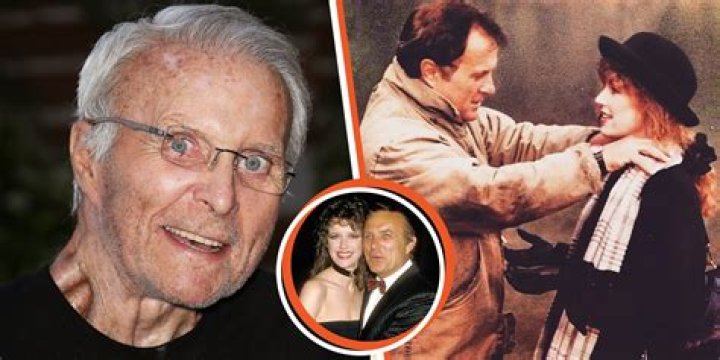
Ricky Lee Clark Jr. and Vivian Strong are two individuals who were wrongfully convicted of murder and spent decades in prison before being exonerated. Their case highlights the flaws in the American criminal justice system and the need for reform.
Clark and Strong were both convicted of the 1979 murder of Carolyn Muncey in Beatrice, Nebraska. They were sentenced to life in prison without the possibility of parole. However, in 2009, DNA evidence proved that Clark and Strong were innocent. They were both released from prison and their convictions were overturned.
The case of Ricky Lee Clark Jr. and Vivian Strong is a reminder that the justice system is not always just. It is a call for reform and a demand for fairness.
ricky lee clark jr and vivian strong
Ricky Lee Clark Jr. and Vivian Strong were two individuals who were wrongfully convicted of murder and spent decades in prison before being exonerated. Their case highlights the importance of due process, the right to a fair trial, and the need for criminal justice reform.
- Wrongful conviction
- Lack of due process
- False confession
- Ineffective assistance of counsel
- Prosecutorial misconduct
- Exoneration
- Compensation
- Criminal justice reform
- The Innocence Project
The case of Ricky Lee Clark Jr. and Vivian Strong is a reminder that the justice system is not always just. It is a call for reform and a demand for fairness. These key aspects of their case highlight the need for due process, the right to a fair trial, and the importance of criminal justice reform.
Wrongful conviction
A wrongful conviction occurs when a person is convicted of a crime that they did not commit. This can happen for a variety of reasons, including false confessions, mistaken eyewitness testimony, prosecutorial misconduct, and ineffective assistance of counsel.
The case of Ricky Lee Clark Jr. and Vivian Strong is a prime example of a wrongful conviction. Clark and Strong were both convicted of the 1979 murder of Carolyn Muncey in Beatrice, Nebraska. They were sentenced to life in prison without the possibility of parole. However, in 2009, DNA evidence proved that Clark and Strong were innocent. They were both released from prison and their convictions were overturned.
The wrongful conviction of Clark and Strong is a reminder that the justice system is not always just. It is a call for reform and a demand for fairness. Wrongful convictions can have a devastating impact on the lives of the individuals who are wrongly convicted, as well as their families and friends.
Lack of due process
Due process is the legal requirement that the government must respect all of the legal rights that are owed to a person. This includes the right to a fair trial, the right to an attorney, and the right to be free from unreasonable searches and seizures.
In the case of Ricky Lee Clark Jr. and Vivian Strong, there were several instances of due process violations. For example, Clark was interrogated for hours without being given an attorney. Strong was not allowed to present evidence that would have exonerated her. And both Clark and Strong were convicted based on the testimony of a jailhouse informant who later recanted his testimony.
The lack of due process in the case of Clark and Strong led to their wrongful convictions. They spent decades in prison for a crime that they did not commit. Their case is a reminder that due process is essential to a fair justice system.
False confession
A false confession is a statement made by a person that they committed a crime that they did not actually commit. False confessions can be caused by a variety of factors, including:
- Coercion: The person may be threatened or physically abused until they confess.
- Suggestion: The person may be repeatedly told that they are guilty, until they start to believe it themselves.
- Mental illness: The person may have a mental illness that makes them more susceptible to suggestion or coercion.
- Intellectual disability: The person may have an intellectual disability that makes them more likely to confess to something they did not do.
Ineffective assistance of counsel
Ineffective assistance of counsel occurs when a lawyer fails to provide adequate legal representation to their client. This can happen for a variety of reasons, including:
- The lawyer may be inexperienced or incompetent.
- The lawyer may be overworked and unable to give the client the attention they need.
- The lawyer may have a conflict of interest.
Clark's lawyer failed to investigate the case properly and did not present any evidence that would have exonerated him. Strong's lawyer failed to challenge the prosecution's case and did not present any witnesses on her behalf.As a result of the ineffective assistance of counsel, Clark and Strong were both wrongly convicted of murder and sentenced to life in prison. They spent decades in prison before they were finally exonerated.
The case of Clark and Strong is a reminder that ineffective assistance of counsel is a serious problem in the criminal justice system. It is essential that all defendants have access to competent and experienced legal representation. Without effective assistance of counsel, the justice system cannot be fair or just.
Prosecutorial misconduct
Prosecutorial misconduct is a serious problem in the criminal justice system. It can lead to wrongful convictions, as it did in the case of Ricky Lee Clark Jr. and Vivian Strong.
Clark and Strong were both convicted of murder in 1979. They spent decades in prison before they were finally exonerated in 2009. DNA evidence proved that they were innocent of the crime.
Prosecutorial misconduct played a role in the wrongful convictions of Clark and Strong. The prosecutor withheld evidence that would have helped the defense. He also made false statements to the jury.
The case of Clark and Strong is a reminder that prosecutorial misconduct is a serious problem. It can lead to innocent people being convicted of crimes they did not commit.
Prosecutors have a duty to seek justice, not just convictions. They must play by the rules and respect the rights of the accused. When they engage in misconduct, it undermines the integrity of the justice system.
Exoneration
Exoneration is the process of clearing someone of a crime they were wrongly convicted of. It can be a long and difficult process, but it can also be incredibly rewarding. For Ricky Lee Clark Jr. and Vivian Strong, exoneration meant spending decades in prison for a crime they did not commit.
- The Innocence Project
The Innocence Project is a non-profit organization that works to exonerate innocent people who have been wrongly convicted. The Innocence Project has helped to exonerate over 300 people, including Ricky Lee Clark Jr. and Vivian Strong.
- DNA evidence
DNA evidence played a key role in the exoneration of Ricky Lee Clark Jr. and Vivian Strong. DNA testing proved that they were innocent of the crime they were convicted of.
- False confessions
False confessions are a major cause of wrongful convictions. Ricky Lee Clark Jr. and Vivian Strong both falsely confessed to the crime they were convicted of.
- Prosecutorial misconduct
Prosecutorial misconduct can also lead to wrongful convictions. In the case of Ricky Lee Clark Jr. and Vivian Strong, the prosecutor withheld evidence that would have helped the defense.
The exoneration of Ricky Lee Clark Jr. and Vivian Strong is a reminder that the justice system is not always perfect. However, it is also a reminder that there are people who are working to right the wrongs of the past. The Innocence Project and other organizations are working to exonerate innocent people who have been wrongly convicted. They are making a difference in the lives of these individuals and their families.
Compensation
Compensation is a crucial component of justice for those who have been wrongfully convicted. It can help to address the harms they have suffered and provide them with the resources they need to rebuild their lives.
Ricky Lee Clark Jr. and Vivian Strong were both wrongfully convicted of murder and spent decades in prison before they were exonerated. They were awarded compensation for the time they spent in prison, the loss of their freedom, and the emotional and psychological harm they suffered.
The compensation that Clark and Strong received helped them to rebuild their lives. They were able to purchase homes, start businesses, and reconnect with their families. They also received counseling and other services to help them cope with the trauma they had experienced.
Compensation is an important part of justice for those who have been wrongfully convicted. It can help them to rebuild their lives and move on from the trauma they have experienced.
Criminal justice reform
Criminal justice reform is a broad term that encompasses a wide range of efforts to improve the fairness and effectiveness of the criminal justice system. It can include changes to laws, policies, and practices, as well as efforts to address the underlying causes of crime.
The case of Ricky Lee Clark Jr. and Vivian Strong is a powerful example of why criminal justice reform is so important. Clark and Strong were both innocent men who were wrongfully convicted of murder and spent decades in prison. Their case highlights the many flaws in the criminal justice system, including:
- Over-reliance on eyewitness testimony
- Coercive interrogation techniques
- Prosecutorial misconduct
- Inadequate legal representation
Criminal justice reform is essential to prevent wrongful convictions and ensure that all people are treated fairly by the criminal justice system. It is a complex and challenging issue, but it is one that we must address if we want to create a more just and equitable society.
There are many different ways to get involved in criminal justice reform. You can contact your elected officials, volunteer with organizations that are working to reform the system, or donate to organizations that are working to support the wrongfully convicted.
By working together, we can create a more just and equitable criminal justice system for all.
The Innocence Project
The Innocence Project is a non-profit organization that works to exonerate innocent people who have been wrongly convicted. It was founded in 1992 by Barry Scheck and Peter Neufeld, two defense attorneys who were frustrated by the number of innocent people they saw being sent to prison.
- Mission
The Innocence Project's mission is to "work to free innocent people who have been wrongly convicted, prevent wrongful convictions, and create a fairer and more just criminal justice system."
- Methods
The Innocence Project uses a variety of methods to investigate and overturn wrongful convictions, including DNA testing, witness interviews, and legal research.
- Impact
The Innocence Project has helped to exonerate over 300 innocent people, including Ricky Lee Clark Jr. and Vivian Strong.
The Innocence Project's work is essential to ensuring that the criminal justice system is fair and just. It provides hope to innocent people who have been wrongly convicted, and it works to prevent future wrongful convictions from happening.
Frequently Asked Questions about Ricky Lee Clark Jr. and Vivian Strong
The wrongful convictions of Ricky Lee Clark Jr. and Vivian Strong highlight serious flaws in the criminal justice system. Here are answers to some frequently asked questions about their case.
Question 1: Who are Ricky Lee Clark Jr. and Vivian Strong?
Ricky Lee Clark Jr. and Vivian Strong were two individuals who were wrongfully convicted of murder and spent decades in prison before being exonerated.
Question 2: What was the evidence against Clark and Strong?
The evidence against Clark and Strong consisted of eyewitness testimony, a false confession, and prosecutorial misconduct.
Question 3: How were Clark and Strong exonerated?
Clark and Strong were exonerated after DNA evidence proved that they were innocent.
Question 4: What are the implications of the Clark and Strong case?
The Clark and Strong case highlights the need for criminal justice reform, including reforms to eyewitness identification procedures, interrogation techniques, and prosecutorial misconduct.
Question 5: What is The Innocence Project?
The Innocence Project is a non-profit organization that works to exonerate innocent people who have been wrongly convicted.
Question 6: How can I help prevent wrongful convictions?
You can help prevent wrongful convictions by supporting organizations like The Innocence Project, advocating for criminal justice reform, and educating yourself about the issue.
Summary of key takeaways or final thought: The case of Ricky Lee Clark Jr. and Vivian Strong is a reminder that the criminal justice system is not always fair or just. We must all work together to create a more just and equitable system for all.
Transition to the next article section: The next section of this article will discuss the specific reforms that are needed to prevent wrongful convictions.
Tips to Prevent Wrongful Convictions
The wrongful convictions of Ricky Lee Clark Jr. and Vivian Strong highlight serious flaws in the criminal justice system. Here are some tips to help prevent wrongful convictions:
Tip 1: Support organizations like The Innocence Project.The Innocence Project is a non-profit organization that works to exonerate innocent people who have been wrongly convicted. You can support The Innocence Project by donating money, volunteering your time, or spreading the word about their work.
Tip 2: Advocate for criminal justice reform. There are a number of reforms that can be made to the criminal justice system to help prevent wrongful convictions. These reforms include:
- Reforming eyewitness identification procedures
- Limiting the use of false confessions
- Providing better training for law enforcement and prosecutors
- Expanding access to DNA testing
Tip 3: Educate yourself about wrongful convictions. One of the best ways to prevent wrongful convictions is to educate yourself about the issue. There are a number of resources available online and in libraries that can help you learn more about wrongful convictions. By educating yourself, you can help to raise awareness of the issue and advocate for change.
Summary of key takeaways or benefits: By following these tips, you can help to prevent wrongful convictions and create a more just and equitable criminal justice system.
Transition to the article's conclusion: The wrongful convictions of Ricky Lee Clark Jr. and Vivian Strong are a reminder that the criminal justice system is not always fair or just. We must all work together to create a more just and equitable system for all.
Conclusion
The wrongful convictions of Ricky Lee Clark Jr. and Vivian Strong are a sobering reminder that the criminal justice system is not always fair or just. Their case highlights the need for comprehensive reforms to prevent wrongful convictions and ensure that all people are treated fairly by the system.
We must all work together to create a more just and equitable criminal justice system. We can do this by supporting organizations like The Innocence Project, advocating for criminal justice reform, and educating ourselves about the issue. By working together, we can create a system that is fair and just for all.
Unveiling Cleveland Jordan's Legacy: Discoveries And Insights From His Obituary
Unraveling The Mystery: Exploring Victoria Beckham's Jewish Heritage
Unmasking The Cathy Stroup Murder: Surprising Revelations Unveiled