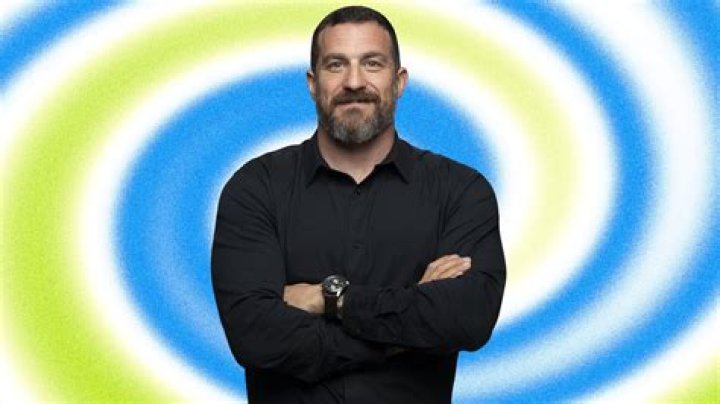
Sam Campbell is an autistic advocate and public speaker.
He is known for his work in raising awareness of autism and for his advocacy for the rights of autistic people. Campbell has spoken at numerous conferences and events, and he has written extensively about his experiences as an autistic person. He is also the co-founder of the Autistic Self Advocacy Network (ASAN), a non-profit organization that advocates for the rights of autistic people.
Campbell's work has helped to change the way that people think about autism. He has helped to dispel the myths and stereotypes that surround autism, and he has helped to create a more inclusive world for autistic people.
Sam Campbell is an autistic advocate and public speaker. He is known for his work in raising awareness of autism and for his advocacy for the rights of autistic people.
Key Aspects of Sam Campbell's Work
- Autistic perspective: Campbell shares his personal experiences as an autistic person, challenging stereotypes and promoting understanding.
- Disability rights: He advocates for the rights of autistic people, including access to education, employment, and healthcare.
- Self-advocacy: Campbell empowers autistic people to speak up for themselves and make their voices heard.
- Intersectionality: He recognizes the intersection of autism with other marginalized identities, such as race, gender, and socioeconomic status.
- Neurodiversity: Campbell promotes the concept of neurodiversity, celebrating the unique strengths and perspectives of autistic people.
- Social justice: He advocates for social justice and equity for all autistic people, regardless of their abilities or backgrounds.
- Public speaking: Campbell is a sought-after public speaker, sharing his insights and experiences with audiences around the world.
- Writing: He has written extensively about his experiences as an autistic person and on issues related to autism.
- Community building: Campbell is a co-founder of the Autistic Self Advocacy Network (ASAN), a non-profit organization that advocates for the rights of autistic people.
Campbell's work has helped to change the way that people think about autism. He has helped to dispel the myths and stereotypes that surround autism, and he has helped to create a more inclusive world for autistic people.
| Name | Occupation | Birthdate |
|---|---|---|
| Sam Campbell | Autistic advocate and public speaker | 1976 |
Autistic perspective
Sam Campbell's autistic perspective is a key component of his work as an advocate and public speaker. By sharing his personal experiences, he challenges stereotypes and promotes understanding of autism.
Campbell's autistic perspective allows him to speak to the unique challenges and strengths of autistic people. He has spoken about the importance of early intervention and support for autistic children, the need for inclusive education, and the right of autistic people to live independently and make their own choices.
Campbell's work has helped to change the way that people think about autism. He has helped to dispel the myths and stereotypes that surround autism, and he has helped to create a more inclusive world for autistic people.
Here are some examples of how Campbell's autistic perspective has informed his work:
- Campbell has spoken about the importance of listening to autistic people and learning from their experiences.
- He has advocated for the use of person-first language when talking about autistic people.
- He has challenged the idea that autism is a disorder or a disease.
- He has promoted the concept of neurodiversity, which celebrates the unique strengths and perspectives of autistic people.
Campbell's work is important because it helps to create a more inclusive world for autistic people. He is a powerful voice for autistic people, and his work is helping to change the way that people think about autism.
Disability rights
Sam Campbell is a strong advocate for the rights of autistic people. He believes that autistic people should have the same rights and opportunities as everyone else, including the right to education, employment, and healthcare.
- Education: Campbell believes that autistic children should have access to quality education that meets their individual needs. He advocates for early intervention services, small class sizes, and individualized instruction.
- Employment: Campbell believes that autistic adults should have the opportunity to work and contribute to society. He advocates for job training programs, supported employment, and workplace accommodations.
- Healthcare: Campbell believes that autistic people should have access to quality healthcare that meets their unique needs. He advocates for insurance coverage for autism services, access to specialists, and culturally competent care.
Campbell's work on disability rights has made a significant difference in the lives of autistic people. He has helped to raise awareness of the challenges that autistic people face, and he has advocated for policies that support their rights.
Self-advocacy
Self-advocacy is a key component of Sam Campbell's work as an autistic advocate and public speaker. He believes that autistic people should have the power to speak up for themselves and make their voices heard.
- Empowerment: Campbell empowers autistic people by providing them with the tools and resources they need to advocate for themselves. He teaches them about their rights, helps them to develop their communication skills, and connects them with other autistic advocates.
- Representation: Campbell represents autistic people in the media, in government, and in other public forums. He speaks out against discrimination and injustice, and he works to ensure that the voices of autistic people are heard.
- Education: Campbell educates the public about autism and the rights of autistic people. He gives lectures, writes articles, and participates in public debates. He helps to dispel the myths and stereotypes that surround autism, and he promotes understanding and acceptance.
- Collaboration: Campbell collaborates with other autistic advocates and organizations to work towards common goals. He is a co-founder of the Autistic Self Advocacy Network (ASAN), a non-profit organization that advocates for the rights of autistic people.
Campbell's work on self-advocacy has made a significant difference in the lives of autistic people. He has helped to empower autistic people to speak up for themselves and make their voices heard. He has also helped to educate the public about autism and the rights of autistic people.
Intersectionality
Sam Campbell's work on intersectionality is important because it highlights the unique challenges faced by autistic people who also belong to other marginalized groups. By understanding the intersection of autism with other identities, we can better support autistic people and create a more inclusive world for all.
- Race: Autistic people of color face unique challenges, including discrimination, poverty, and lack of access to healthcare. Campbell's work helps to raise awareness of these challenges and advocate for policies that support autistic people of color.
- Gender: Autistic girls and women face unique challenges, including gender-based discrimination and violence. Campbell's work helps to empower autistic girls and women and to challenge the stereotypes that surround them.
- Socioeconomic status: Autistic people from low-income backgrounds face unique challenges, including lack of access to quality education and healthcare. Campbell's work helps to advocate for policies that support autistic people from low-income backgrounds.
Campbell's work on intersectionality is making a difference in the lives of autistic people. He is helping to create a more inclusive world for all autistic people, regardless of their race, gender, or socioeconomic status.
Neurodiversity
The concept of neurodiversity is central to Sam Campbell's work as an autistic advocate and public speaker. Neurodiversity refers to the idea that neurological differences are a natural part of human diversity, and that autistic people should be celebrated for their unique strengths and perspectives.
Campbell believes that neurodiversity is important because it challenges the traditional view of autism as a disorder or a disease. He argues that autistic people are not sick or broken, but simply different. This difference should be celebrated, not feared or stigmatized.
Campbell's work on neurodiversity has helped to change the way that people think about autism. He has helped to dispel the myths and stereotypes that surround autism, and he has helped to create a more inclusive world for autistic people.
Here are some examples of how Campbell's work on neurodiversity has made a difference in the lives of autistic people:
- Campbell's work has helped to increase awareness of autism and the rights of autistic people.
- Campbell's work has helped to create a more inclusive world for autistic people, where they are celebrated for their unique strengths and perspectives.
- Campbell's work has helped to empower autistic people to speak up for themselves and make their voices heard.
Campbell's work on neurodiversity is important because it helps to create a more inclusive world for all autistic people. He is a powerful voice for autistic people, and his work is helping to change the way that people think about autism.
Social justice
Sam Campbell's commitment to social justice is a driving force behind his advocacy for autistic people. He believes that all autistic people, regardless of their abilities or backgrounds, deserve to live with dignity and respect.
Campbell's work on social justice includes advocating for:
- Equal access to education, employment, and healthcare for autistic people
- An end to discrimination and violence against autistic people
- The right of autistic people to make their own choices and live independently
- Increased awareness of autism and the rights of autistic people
Campbell's work on social justice has made a significant difference in the lives of autistic people. He has helped to raise awareness of the challenges that autistic people face, and he has advocated for policies that support their rights.
Here is an example of how Campbell's work on social justice has made a difference in the life of an autistic person:
In 2016, Campbell testified before the United States Congress about the importance of access to healthcare for autistic people. His testimony helped to lead to the passage of the Autism CARES Act, which provides funding for autism research and services.
Campbell's work on social justice is important because it helps to create a more inclusive world for autistic people. He is a powerful voice for autistic people, and his work is helping to change the way that people think about autism.
Public speaking
Sam Campbell's public speaking engagements are a powerful way for him to share his insights and experiences as an autistic person. By speaking to audiences around the world, Campbell helps to raise awareness of autism and challenge the stereotypes and myths that surround it.
- Education: Campbell's speeches often focus on educating audiences about autism. He shares his personal experiences, as well as research and data, to help people better understand the challenges and strengths of autistic people.
- Advocacy: Campbell also uses his public speaking platform to advocate for the rights of autistic people. He speaks out against discrimination and injustice, and he calls for policies that support autistic people and their families.
- Inspiration: Campbell's speeches are also inspiring to autistic people and their families. He shares his story of overcoming challenges and achieving his goals, and he encourages others to do the same.
- Connection: Campbell's public speaking helps to connect autistic people with each other and with the larger community. He creates a sense of belonging and community for autistic people, and he helps to break down the isolation that many autistic people feel.
Campbell's public speaking is an important part of his work as an autistic advocate. By sharing his insights and experiences, he is helping to create a more inclusive world for autistic people.
Writing
Sam Campbell's writing has played a significant role in raising awareness of autism and challenging the stereotypes and myths that surround it. Through his writing, Campbell shares his personal experiences as an autistic person, and he provides insights into the challenges and strengths of autistic people.
- Personal experiences: Campbell's writing often focuses on his personal experiences as an autistic person. He shares stories from his childhood, his education, and his adult life. These stories help readers to understand the unique challenges and perspectives of autistic people.
- Research and data: Campbell also uses research and data to support his arguments and to educate readers about autism. He cites studies on the prevalence of autism, the challenges faced by autistic people, and the benefits of early intervention.
- Advocacy: Campbell's writing is also a form of advocacy. He uses his platform to speak out against discrimination and injustice, and he calls for policies that support autistic people and their families.
- Inspiration: Campbell's writing is also inspiring to autistic people and their families. He shares his story of overcoming challenges and achieving his goals, and he encourages others to do the same.
Campbell's writing is an important part of his work as an autistic advocate. By sharing his insights and experiences, he is helping to create a more inclusive world for autistic people.
Community building
Sam Campbell's work on community building is an important part of his advocacy for autistic people. By co-founding ASAN, Campbell has helped to create a strong and supportive community for autistic people and their families.
- Networking and support: ASAN provides a platform for autistic people to connect with each other and share their experiences. This can be especially important for autistic people who may feel isolated or alone.
- Advocacy: ASAN is a powerful voice for autistic people in the media, in government, and in other public forums. The organization advocates for policies that support the rights of autistic people.
- Education: ASAN provides educational resources to autistic people and their families. This information can help people to better understand autism and to make informed decisions about their lives.
- Empowerment: ASAN empowers autistic people to speak up for themselves and make their voices heard. The organization provides training and support to autistic people who want to become self-advocates.
Campbell's work on community building has made a significant difference in the lives of autistic people. ASAN has helped to create a more inclusive world for autistic people, where they are celebrated for their unique strengths and perspectives.
Sam Campbell Autistic FAQs
This section provides answers to frequently asked questions (FAQs) about Sam Campbell and his work as an autistic advocate.
Question 1: Who is Sam Campbell?
Answer: Sam Campbell is an autistic advocate and public speaker. He is known for his work in raising awareness of autism and for his advocacy for the rights of autistic people.
Question 2: What is Sam Campbell's autistic perspective?
Answer: Sam Campbell's autistic perspective is a key component of his work as an advocate and public speaker. By sharing his personal experiences, he challenges stereotypes and promotes understanding of autism.
Question 3: What are some of Sam Campbell's key advocacy issues?
Answer: Sam Campbell advocates for a range of issues, including disability rights, self-advocacy, intersectionality, neurodiversity, social justice, and public speaking.
Question 4: What is the Autistic Self Advocacy Network (ASAN)?
Answer: ASAN is a non-profit organization that advocates for the rights of autistic people. Sam Campbell is a co-founder of ASAN.
Question 5: What is neurodiversity?
Answer: Neurodiversity refers to the idea that neurological differences are a natural part of human diversity, and that autistic people should be celebrated for their unique strengths and perspectives.
Question 6: How can I learn more about Sam Campbell's work?
Answer: You can learn more about Sam Campbell's work by visiting his website, reading his articles and books, and watching his speeches on YouTube.
Summary: Sam Campbell is a leading autistic advocate and public speaker. His work has helped to raise awareness of autism and to challenge the stereotypes and myths that surround it. Campbell is a strong advocate for the rights of autistic people, and he has worked tirelessly to create a more inclusive world for autistic people.
Transition: To learn more about Sam Campbell and his work, please visit his website or read his articles and books.
Tips for Understanding and Supporting Autistic Individuals
Understanding and supporting autistic individuals is crucial for fostering an inclusive and equitable society. Here are a few tips to guide your interactions:
Tip 1: Embrace Neurodiversity and Respect Differences
Recognize that autism is a natural variation in human neurology. Embrace the unique strengths and perspectives of autistic individuals, and avoid labeling them as "disordered." Respect their differences in communication, social interaction, and sensory processing.
Tip 2: Practice Active Listening and Communication
Engage in active listening by paying full attention to what autistic individuals are saying, both verbally and nonverbally. Use clear and concise language, and avoid using idioms or sarcasm, which may be challenging to understand.
Tip 3: Provide Sensory-Friendly Environments
Autistic individuals may have heightened or reduced sensory sensitivities. Create environments that are comfortable and supportive by controlling lighting, noise levels, and providing fidget toys or sensory breaks as needed.
Tip 4: Support Self-Advocacy and Empowerment
Encourage autistic individuals to express their needs and preferences. Support their efforts to advocate for themselves and make decisions that affect their lives. Respect their choices, even if they differ from your own.
Tip 5: Foster Inclusivity and Belonging
Create inclusive environments where autistic individuals feel welcomed and valued. Encourage open and respectful communication, and challenge any stigmas or prejudices surrounding autism.
Summary: By embracing neurodiversity, practicing active listening, providing sensory-friendly environments, supporting self-advocacy, and fostering inclusivity, we can create a more understanding and supportive world for autistic individuals.
Sam Campbell
Sam Campbell's unwavering advocacy and personal narrative have significantly contributed to the understanding and acceptance of autism. His work has challenged misconceptions, empowered individuals, and fostered a more inclusive society.
Through his public speaking, writing, and community involvement, Campbell has given voice to the experiences and perspectives of autistic people. His tireless efforts have raised awareness, broken down barriers, and inspired countless individuals. Campbell's advocacy for self-advocacy, intersectionality, and neurodiversity has laid a foundation for a more equitable and inclusive world for autistic individuals.
Eugenia Van Halen: The Unsung Hero Behind Eddie's Iconic Guitar
Unveiling The Sibling Bond And Career Of Walker Scobell's Sister
Unlocking The Secrets Of Scott Rigbsy's Age: Discoveries And Insights